Why Your Ads Die After 2-3 Weeks (and How to Beat Creative Fatigue)

Meta moves fast, and creative fatigue hits even faster. Strong ads can fade in days, not weeks, quietly dragging down CTR, driving up CPC, and shrinking ROAS before most teams notice anything is wrong.
This guide shows why fatigue sets in so quickly, how to catch the earliest warning signs, and the systems high‑performing brands use to stay ahead of burnout instead of reacting after results drop.
TL;DR
- Creative fatigue happens when audiences see the same ad too often and stop responding.
- Meta flags “Creative limited” or “Creative fatigue” and quietly reduces delivery even if budget stays the same.
- CTR drops first, followed by rising CPC, CPA, and falling ROAS as performance erodes.
- Strong Meta creatives often burn out in 1 – 3 weeks due to rapid audience saturation.
- Reliable prevention comes from steady new hooks, varied formats, UGC, frequency controls, and structured refresh cycles.
What Is Creative Fatigue (and How It Differs from Ad Fatigue)?
Creative fatigue is the performance decline that occurs when an audience has been exposed to the same creative asset too many times.
As repetition increases, the creative loses its ability to capture attention, engagement drops, and costs rise, even when targeting, offer, and spend remain constant. Unlike general ad fatigue, which describes broad wear-out across campaigns or channels, creative fatigue is specific to the asset itself.
Across platforms, fatigue works similarly, but Meta makes it more explicit. When an individual creative has been shown too many times to the same audience, Ads Manager may label it “Creative limited” or “Creative fatigue,” signaling that the system is reducing delivery because it expects diminishing returns. As frequency climbs, CTR typically drops while CPC and CPA rise, and Meta responds by throttling distribution even when budgets stay the same.
Understanding creative fatigue helps teams refresh the right assets at the right time and avoid performance loss.
How Creative Fatigue Shows Up in Your Metrics
Creative fatigue doesn’t begin with a major performance collapse. It starts with small but consistent shifts in key metrics, which is why trend‑tracking matters more than reacting to single‑day volatility. The earliest signals show up in engagement, cost efficiency, and frequency patterns.
Engagement typically weakens first. A declining CTR indicates that the ad is no longer capturing attention. When paired with rising CPC or CPA, it’s a strong sign that the creative is losing relevance with the audience.
Cost metrics often escalate as fatigue progresses. Higher CPM and rising frequency suggest that the platform is struggling to find qualified impressions for the same creative. When users have seen the asset too many times, efficiency drops and each additional impression becomes more expensive.
Context is key. What looks like a “good” CTR or CPA varies by account, so you should rely on your own baseline trend lines rather than industry benchmarks to detect early fatigue. Sudden deterioration from your normal range is more meaningful than hitting or missing a static target.
Even small shifts in CTR, CPC, CPA, or ROAS can materially affect profitability, especially on Meta’s fast‑moving environment and with the Andromeda update. These trends compound over time, making early detection essential.
Tracking your metric patterns daily helps you identify creative fatigue early and refresh assets before efficiency erodes.

How to Beat Creative Fatigue (A Complete System)
Creative fatigue is inevitable – but it’s not uncontrollable.
The brands that stay ahead don’t rely on single standout ads. They rely on systems. Systems for spotting fatigue early, for designing creatives that can evolve, for keeping ideas flowing, for buying media intelligently, and for using AI to work faster than fatigue can set in.
Here’s what that system looks like when all the parts work together.
1. Diagnose Fatigue Early Using Trend Lines and Meta Signals
Fatigue doesn’t arrive with fanfare. It creeps in quietly – a soft dip in CTR, a slightly more expensive click, a frequency number you meant to check two days ago. Most of the damage happens before teams realize anything is wrong.
The fix isn’t magical. It’s discipline. Watch how CTR, CPC, CPA, frequency, and ROAS move over time. Trends tell the truth long before a dashboard does. Meta’s “Creative Limited” and “Creative Fatigue” labels simply confirm what your data already hinted at.
Early diagnosis doesn’t exist in a vacuum – it tells you when to rotate formats, shift angles, or break out a new batch of UGC. The sooner you see fatigue coming, the less money it drains.
2. Design Creatives That Can Evolve, Not Expire
Creatives with longer lifespans aren’t built around one moment – they’re built around ideas that can shift and unfold. Narrative structure matters here. Story-driven creative gives you more surface area to refresh. Instead of remaking the message, you simply move to the next beat in the arc.
“Think in story arcs, not standalone posts… a narrative that unfolds over time keeps audiences engaged and builds retention.” – Ryan Stone, Founder & Creative Director, Lambda Animation Studio
Modularity takes that same idea and applies it to production itself. When your creative framework can flex, your ideas last far longer. This structural flexibility makes it easier to rotate angles without needing a full rebuild – a key advantage when fatigue hits fast on Meta.
“A core narrative with interchangeable beats allowed us to create 40+ variants from one shoot and keep performance strong for 8-12 weeks.” – Andrew Cussens, Digital Marketing Specialist| Founder & Producer, FilmFolk
But evolution doesn’t always mean reinventing the concept. Sometimes it’s as simple as refreshing how the message shows up.
“Treat your winning creative like a format. Keep the idea, refresh the pacing, delivery style, or angle so it feels new while still scaling.” – Cody Jensen, CEO & Founder, Searchbloom
Together, these approaches create creatives that can breathe, assets designed to adapt before fatigue sets in.
3. Keep the Pipeline Moving: Hooks, Angles, Themes, UGC
Even the best creative will fatigue. The only sustainable countermeasure is a healthy pipeline – consistent new inputs that prevent stagnation.
One way teams achieve this is by protecting creative time, separate from production deadlines.
“Recurring sandbox meetings with no deadlines replenish the creative backlog and reduce campaign fatigue.” – Grant Aldrich, CEO, Preppy
These sessions build a library of ideas long before performance drops force a reactive scramble. Rotation is the other half of the equation. It’s not just about producing more – it’s about sequencing creative intentionally.
“Rotating themes weekly kept CTR strong for five weeks – BTS, customer feedback, seasonal, and UGC compilations.” – Vincent Carrié, CEO, Purple Media
This type of thematic variety helps re-engage audiences without overhauling the message or offer.
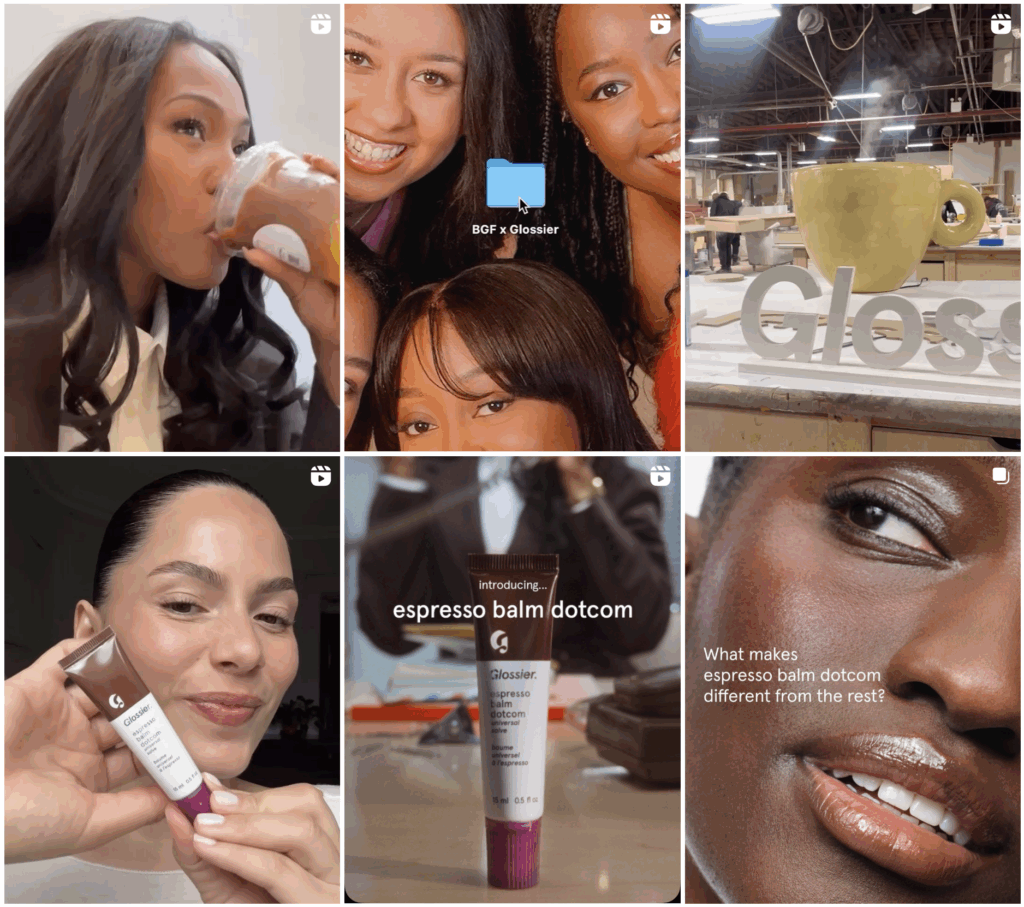
Finally, UGC adds the authenticity and diversity that brand assets alone can’t achieve. In cluttered feeds, UGC helps stave off sameness – one of the core drivers of fatigue.
4. Buy Media in a Way That Slows Fatigue – Not Accelerates It
Creative fatigue accelerates when media buying pushes the same asset too aggressively at the same people. Smart delivery slows that trajectory.
Audience expansion is one practical example. Broadening the pool extends the runway for strong creatives. This gives high-performing assets more space before frequency spikes.
“Expanding lookalikes to 3% and capping frequency at around 1.5/day improved ThruPlay by 71% over five weeks.” – Himanshu Agarwal, Co-Founder, Zenius
Another tactic is operational rather than strategic: swapping before the damage is visible. This preemptive rotation keeps accounts out of “fatigue freefall,” where wasted spend compounds quickly.
“Pre-build many ads and swap in new ones as soon as metrics dip to focus spend on what still performs.” – Cyrus Partow, CEO, ShipTheDeal
5. Use AI to Stay Ahead of Fatigue Before It Becomes Expensive
AI can spot small anomalies (the ones humans miss) and can also help teams produce variation faster.
Its greatest strength isn’t automation; it’s amplification. In other words: let AI broaden your ideation, not flatten your originality.
“Use AI to inspire new angles and refine design elements, not to replace human creativity.” – Jennifer Hristovski, Chief Marketing Officer, SprayWorks Equipment Group
In other words: let AI broaden your ideation, not flatten your originality.
If you’re evaluating which AI UGC tools fit that role, our guide to AI UGC generators covers how Arcads, Creatify, HeyGen, and Higgsfield compare. And where each one creates compliance risk you should know about before committing spend. Explore the insights from Meta Performance Marketing Summit 2026.
Summary & Next Steps
Creative fatigue is a performance problem that shows up directly in CTR, CPC, CPA, and ROAS. Once those trend lines slip, efficiency declines quickly, which is why fatigue needs to be treated as a core part of your performance workflow.
While Meta and other platforms surface fatigue warnings, your own daily metrics remain the most reliable signals. Watching how CTR and CPA shift over time helps you refresh assets before the algorithm steps in and limits delivery.
Treat fatigue as a predictable outcome and build the systems that keep fresh creative flowing long before performance drops.

FAQs
How often should I refresh creative on Meta before fatigue hits?
Is creative fatigue always bad, or can I still scale a tired winner?
How many creative variants do I need per campaign?
Can a strong UGC pipeline fully prevent creative fatigue?

SEO Lead
Passionate content and search marketer aiming to bring great products front and center. When not hunched over my keyboard, you will find me in a city running a race, cycling or simply enjoying my life with a book in hand.
Make creator marketing a data-backed growth channel

Related from Creative Insider

Creative diversity isn’t optional: why Meta’s algorithm buckets look-alike UGC
Persona Marketing in The Andromeda Era

The Ultimate Content Pipeline for Ads: Never Run Out of Winning Creative