How To Maintain Brand Consistency with At Scale UGC

Passionate content and search marketer aiming to bring great products front and center. When not hunched over my keyboard, you will find me in a city running a race, cycling or simply enjoying my life with a book in hand.

When creator videos roll in fast, brand consistency can break fast. The fix is turning tribal knowledge into a system creators can actually use: clear guidelines, a centralized asset hub, and structured briefs that keep outputs on-brand without forcing every video to look identical.
This post breaks down a practical, repeatable way to scale UGC while protecting your voice, visuals, and claims, using a template-style approach to brand guidelines and a benchmark report as directional support.
TL;DR
- Define non-negotiables, and let everything else flex for authenticity.
- Centralize approved assets and best examples by format and SKU.
- Standardize briefing and script scaffolding across products and creators.
- Add lightweight governance so scale does not create chaos.
What Brand Consistency Means For UGC?
Brand consistency is what makes your ads, emails, and creator videos feel like they all came from the same brand.
It matters even more when you’re scaling UGC, because you’re shipping content across lots of creators, formats, and products. When people talk about how to maintain brand consistency, it helps to break it into four buckets:
- Visual: Logos, colors, typography, layouts, and any must-use overlays.
- Voice: The tone, vocabulary, and the way you “sound” on camera.
- Claims: What creators can say, plus what they must avoid for compliance.
- Experience: The expectations your content sets before someone clicks or buys.
To keep those buckets consistent, creators need a shared “how we show up” reference that’s easy to access. That’s the big idea behind brand guideline basics.
Once you’re working with multiple creators, your brief becomes the day-to-day source of truth. A solid brief spells out the goal, audience, and constraints upfront, which cuts down on revisions and off-brand surprises. When the four buckets and brief are readily explained, creators can move faster without drifting.
How to Build Creator-Ready Brand Guidelines
If you want creators to stay on-brand at scale, your guidelines have to feel usable.
A 40-page PDF might be “complete,” but it’s not what someone references five minutes before they hit record. The goal is to make the guidelines easy to understand in the moment. This means clear guardrails, real examples, and a place where creators can always find the latest version.
1. Start With The Stuff Creators Can Actually Follow
Creators move fast. So your guidelines should answer the common “can I do this?” questions without a Slack thread.
A simple pattern is to include real dos and don’ts plus examples of correct usage, so creators can self-correct without asking you to clarify.
For Example:
Do: Use the brand’s primary color for on-screen text and keep the logo in the bottom-right corner.
Don’t: Change the logo color or place it over the creator’s face or product.
Keep the first pass short and skimmable. You can always link out to deeper details for designers or internal teams.
2. Make Your Guidelines A Living Workspace
If guidelines live in a file that gets emailed around, they will go stale. And stale guidelines are a fast track to off-brand UGC.
A better approach is “living guidelines,” centralized in a shared workspace so they’re easy to update, share, and reference across teams and creators. You can set this up ad a Google document, Notion page, or some other option depending on the tooling you use.
This also supports maintaining brand consistency across many products. Everyone pulls from the same source, instead of guessing which version is current.
3. Add Video-Specific Rules Without Killing Authenticity
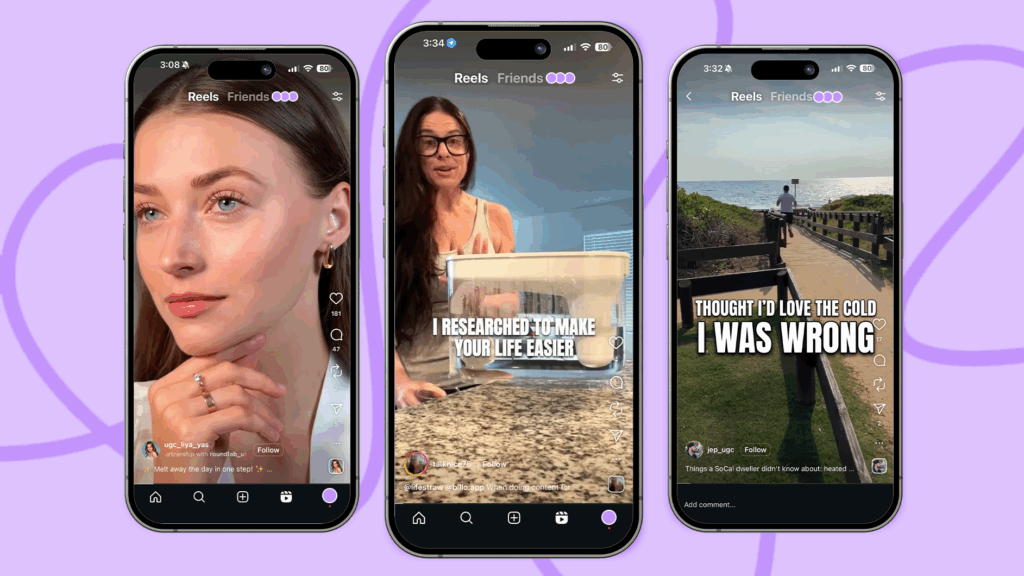
Text-based brand rules are not enough for UGC. Short-form video has its own “look and feel,” even when every creator is different.
Add a simple video style layer that covers:
- Motion rules (transitions, cuts, overlays)
- Framing (where the product and face should sit)
- On-screen text (font, size, safe zones)
- Pacing (hook speed, how quickly you get to proof)
If you need a starting point, use the creator videos you have done before and like the feel of. However be wary of asking the creators to stick to a very specific video style as this can limit creativity and make each video feel the same. Give only enough to explain how to maintain brand consistency.
Create A Reference Library That Scales Across Many Products
Guidelines tell creators what “good” looks like. A reference library shows them, with the exact assets and examples you want copied.
If you’re figuring out how to maintain brand consistency across multiple SKUs, this is where things start to feel easier. You stop answering the same questions, and creators stop guessing. Here is how you should tackle the task.
1. Centralize Approved Assets With A DAM
When assets live in a dozen folders, people grab whatever is closest. That’s how the wrong logo, old packaging, or off-brand template sneaks into a video.
A digital asset management system can act like a single source of truth, so teams and creators always pull the latest approved files. Here’s IBM overview of digital asset management as a simple explainer for what a DAM is and why it helps.
Implementing such a system is one of the most reliable ways to support brand consistency without adding more review time.
2. Organize Winning Examples By Format And Products
Creators do better when they can model what already works. So don’t just store assets, store patterns.
Create folders by format, then nest by product or collection. Here is a simple example of the structure:
- Demo
- Product A
- Product B
- Product C
- Testimonial
- Unboxing
- Problem Solution
This kind of structure makes maintaining brand consistency feel natural, because creators can borrow the flow while keeping their own voice.
3. Feed Library Modules Into Repeatable Scripts
Once your library is organized, you can reuse it as inputs for briefing and scripting.
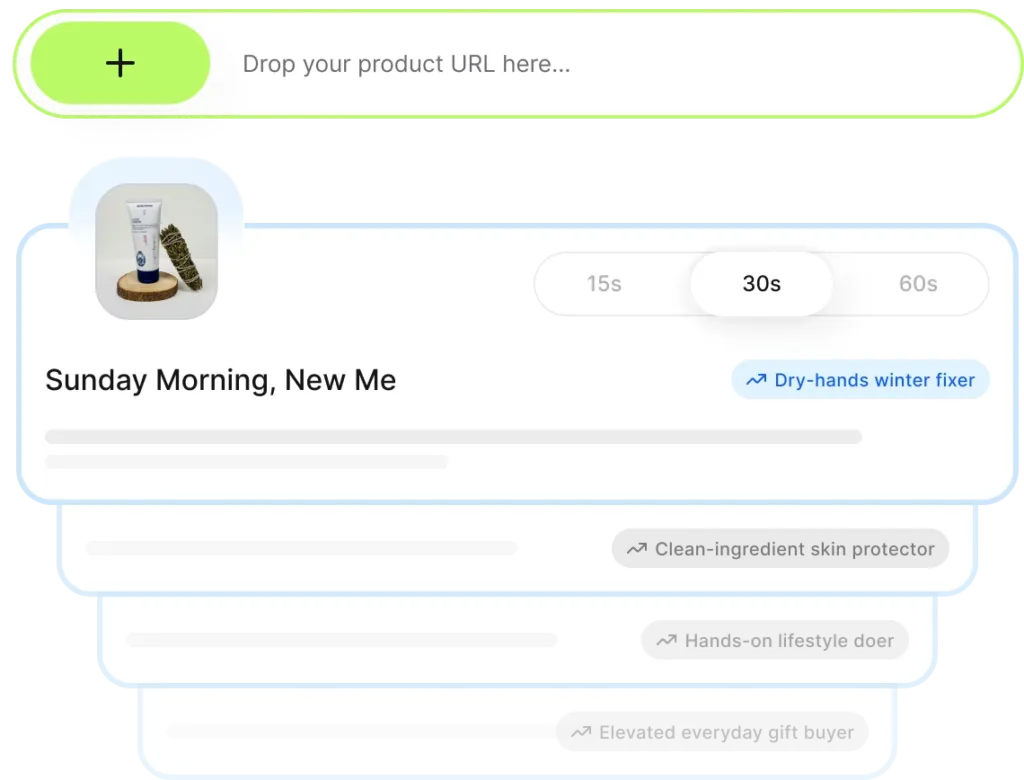
Think “SKU modules” plus top examples that give creators ready-to-use hooks, talking points, and proof points. Billo’s guide on data backed AI scripts explains how reference assets can power more repeatable scripts across products.
Make Creator Briefs Repeatable Not Restrictive
If your guidelines are the rules, your brief is the play call. It is the fastest way to keep creators aligned when you are producing lots of UGC across products, formats, and timelines.
This is where the question on how to maintain brand consistency turns from a concept into something you can run every week.
1. Align On The Goal Before You Talk About Creative
When briefs are vague, creators fill in the blanks. That is how you end up with content that looks fine, but misses the point.
Instead, start every brief with one clear campaign goal, then translate it into what the creator needs to deliver.
2. Lock In The Non Negotiables Then Let The Performance Inputs Flex
Creators still need room to sound like themselves. The trick is to separate what must be consistent from what can be personalized.
To ensure this, include a simple section for:
- Deliverables and specs
- Key messages
- Constraints like claims, compliance, mandatories, and exclusions
That structure supports maintaining brand consistency without forcing every creator into the same script.
3. Add Short Form Specific Guidance That Makes Filming Easier
Short form UGC moves fast, so your brief should be skimmable.
Give creators direction they can actually use in the moment. A strong short form brief usually includes examples or a simple storyboard, talking points, do and do not guidance, and a few hook ideas.
This kind of clarity helps answer what is brand consistency in practice, because creators can see exactly what you mean.
4. Treat Creators Like Partners Not Just Production
The best briefs respect the creator’s job. You are setting guardrails and priorities, then letting them deliver in their own voice.
When it’s something I would personally use, I don’t need a lot of direction,” says Matthew Smith, a Billo creator. “But if it’s an unfamiliar industry, more context and clear expectations help a lot.”
That is also why it helps to standardize how you work with UGC content creators across products. When your process is consistent, the output tends to be consistent too.
5. Turn Briefs Into Repeatable Scripts Without Copy Pasting
Once your brief is structured, you can generate multiple creator-ready variations from the same inputs. That makes maintaining brand consistency easier across many SKUs, while still keeping content fresh.
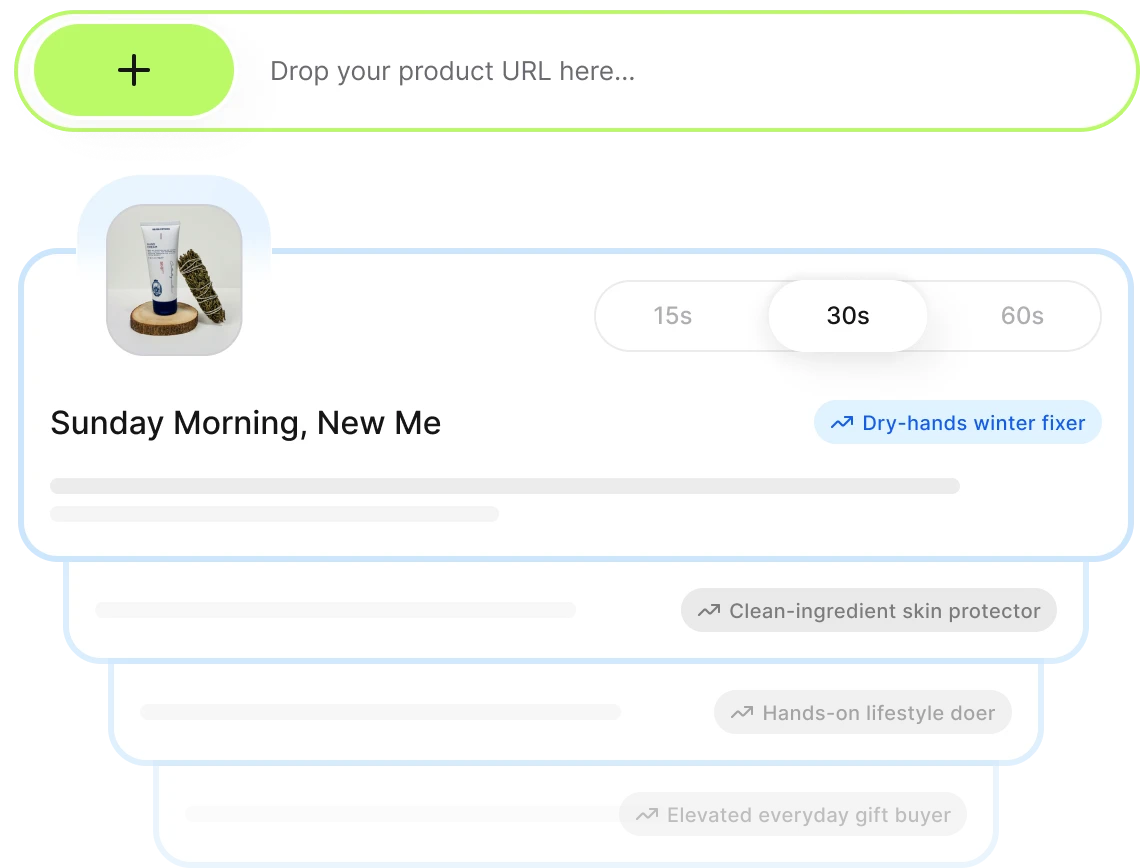
You can improve this process even further with with tools like Billo’s script generator. Which provides you with 4 data-backed scripts each optimized for a different buyer persona just from entering your product URL. Making it easier to start the scripting process and feel the confidence of what is working in the market at the moment.
Operationalize Consistency With Systems And Governance
At a certain volume, “review it when it comes in” stops working. If you want to maintain brand consistency across lots of creators and SKUs, you need a lightweight system that decides who approves what, where feedback lives, and how updates get tracked.
Set up a clear approval path so content does not get stuck or go rogue at scale. When ownership is unclear, every asset becomes a bottleneck or a free-for-all. A simple rule helps: brand and marketing review voice and visuals, and legal reviews claims and compliance, so creators get one clean set of feedback.
Build review stages into how assets move instead of chasing approvals in chat. Define stages like Draft, Review, Approved, and Archived, then use DAM workflows to keep it predictable as volume grows. This keeps brand consistency from turning into subjective debates.
Keep improving the system over time. Feed performance and compliance learnings back into your guidelines, briefs, and examples so you are always tightening the loop. When you update the system instead of re-explaining rules to every new creator, governance stays on rails and consistency stops being a fire drill.
Summary And Next Steps
Maintaining consistency with UGC is perfectly doable, even at high volume. You just need a system that makes the right choices easy for creators and easy to enforce for your team.
If you are working on how to maintain brand consistency, focus on these four building blocks:
- Creator-ready guidelines that are short, visual, and easy to reference
- A centralized library of approved assets and winning examples
- Structured briefs that lock in the non-negotiables
- Lightweight governance so review stays fast and clean
From there, tighten the loop. Use what is working to refresh your examples and briefing, and sunset anything outdated before it spreads.
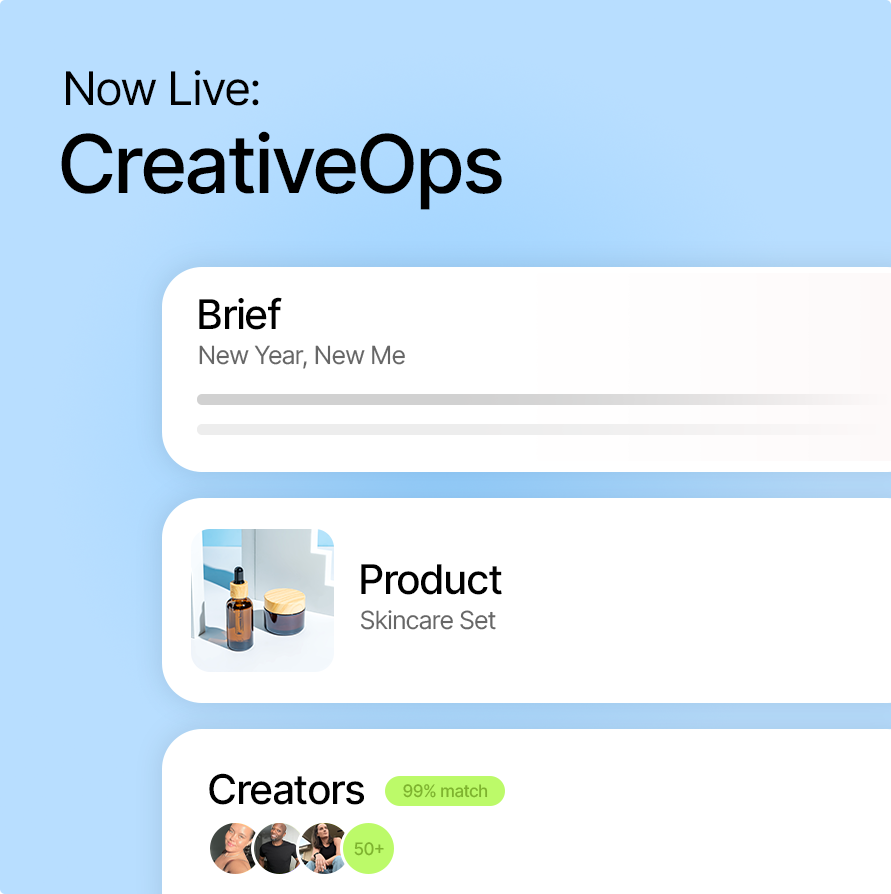
You can then further operationalize the feedback loop with CreativeOps so your system keeps improving as you scale.
FAQs
How Do You Keep UGC On-Brand Without Over-Scripting Creators?
Start by defining the true “must-haves,” then leave room for creators to say it in their own words. That mix is the simplest way to maintain brand consistency while still getting content that feels real.
What Should Be “Non-Negotiable” In Every Creator Brief?
Keep non-negotiables tight and practical: the goal, the key message, the required claims language, and anything that is not allowed. If you are serious about maintaining brand consistency, these are the items that prevent the biggest brand and compliance misses.
How Do You Manage Consistency Across Multiple SKUs Or Sub-Brands?
Treat consistency like a system, not a one-off checklist. When teams ask what is brand consistency at scale, the answer is usually “one source of truth” plus an easy way to reuse what works.
What’s The Fastest Way To Reduce Revisions And Off-Brand Creator Content?
Make the brief do more of the work upfront. A structured brief, plus a reference library of best examples, helps creators deliver closer to final on the first pass, which is the heart of maintaining brand consistency. Then add lightweight governance, so feedback comes from the right reviewers and stays consistent.


Authentic creator videos, powered by real performance data
22,000+ brands use Billo to turn UGC into high-ROAS video ads.


Digital Product UGC: Use Creators To Sell Softwa...
Digital product UGC lives or dies on clarity. When there’s [...]...
Read full article
Common UGC Brief Mistakes Brands Still Make in...
A vague or overpacked brief derails campaigns before they start, [...]...
Read full article
Organic UGC vs Paid UGC: How Top Brands Drive Gr...
More brands are turning to user-generated content (UGC) to fuel [...]...
Read full article