UGC Content Creator: Everything You Need to Know


Key takeaway: A UGC content creator is someone who creates authentic photos, videos, or reviews for brands to use in their marketing, without needing a large personal following.
As brands move away from polished ads and toward real, relatable content, UGC content creators have become one of the most in-demand roles in digital marketing. From product testimonials and unboxings to short-form video ads, UGC creators help brands build trust, boost conversions, and connect with audiences in a way traditional advertising cannot.
Whether you’re looking to become a UGC content creator or you’re a brand exploring UGC, this is your complete starting point.
TL;DR:
- A UGC content creator creates content for brands, not for followers.
- You don’t need a large audience to get hired as a UGC creator.
- Brands use UGC in ads, websites, email, and social media.
- UGC content creators typically earn $50 – $500+ per video, depending on experience and usage rights.
- Anyone can become a UGC content creator with a niche, a portfolio, and consistent outreach.
P.S. Looking to start collaborations? Find top 5,000+ UGC creators here.
What is a UGC Content Creator?
A UGC content creator might sound like a trendy new title, but the concept behind it is as old as the internet itself.
A UGC creator is an individual who produces short-form videos, photos, testimonials, or product reviews that companies use in their marketing campaigns. The content is designed to look and feel like something a real customer would create organically, even though the creator is being paid for it.
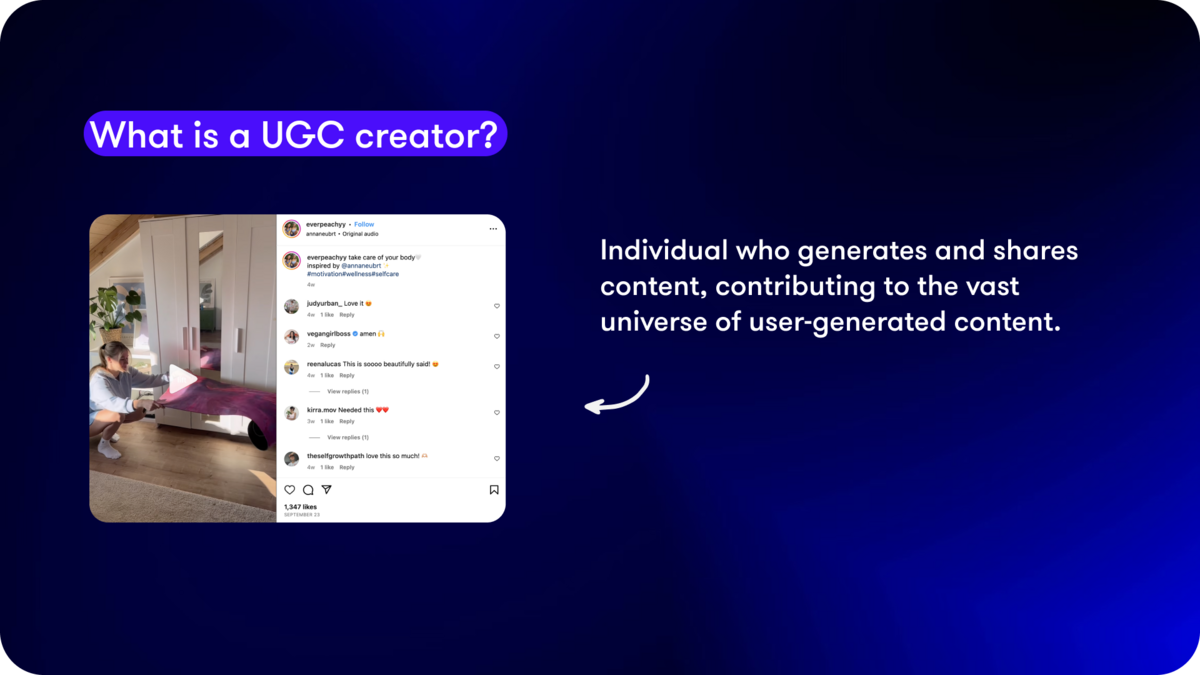
What sets UGC creators apart from other content professionals?
Unlike influencers, a UGC content creator is not paid for audience size or reach. Instead, they are paid for their ability to create content that feels real, relatable, and trustworthy. Brands use this content across paid ads, social media, websites, landing pages, and email campaigns to build credibility and drive conversions.
At its core, UGC content creation sits at the intersection of content creation and digital marketing. UGC creators understand how to present products in a natural, user-first way, often mimicking how real customers talk about, use, and recommend products in everyday life.
As consumer trust in traditional advertising continues to decline, UGC content creators have become a critical part of modern marketing strategies. Their content blends storytelling with social proof, helping brands communicate value without sounding promotional.
UGC Content Creator vs Influencer: What’s the Difference?
While UGC content creators and influencers are often confused, they serve very different purposes in marketing.
A UGC content creator is hired to produce content for a brand’s own channels or ad campaigns. An influencer, on the other hand, is paid to promote products to their personal audience.
| UGC Content Creator | Influencer |
|---|---|
| Paid for content creation | Paid for audience reach |
| No following required | Audience size matters |
| Content used in brand ads | Content posted on creator’s account |
| Focused on conversion | Focused on awareness |
This distinction is important because it means anyone can become a UGC content creator, regardless of follower count as long as they can create high-quality, engaging content. Continue exploring UGC vs influencers.
Essential Skills Every UGC Creator Needs
Successful UGC creators bring a specific mix of creative and technical abilities that set them apart. You don’t need a degree or years of experience, but you do need to develop these core competencies.
1. On-Camera Presence and Authenticity
The single most valuable skill for a UGC content creator is the ability to speak naturally on camera. Brands hire UGC creators because their content feels genuine, not scripted or overly produced. This is a learnable skill that improves with practice, and most creators find their comfort level after recording 10-20 videos.
2. Storytelling and Hook Writing
UGC that performs well in ads needs a strong hook in the first 1-3 seconds and a clear narrative arc. Understanding how to structure a short video so viewers keep watching, whether through a question, a surprising claim, or a relatable scenario, directly impacts the value you bring to brands.
3. Basic Video Production
You don’t need professional equipment to start, but understanding fundamentals like good lighting, clean audio, steady framing, and simple editing will put you ahead of most beginners. Tools like CapCut and InShot make editing accessible without a learning curve.
4. Platform Knowledge
Each social platform has its own content style and audience behavior. A UGC creator who understands what performs on TikTok versus Instagram Reels versus YouTube Shorts can tailor their content accordingly, and that flexibility makes them more valuable to brands.
5. Brand Brief Interpretation
Professional UGC creators need to translate a brand’s creative brief into content that hits the right messaging points while still feeling natural. This means understanding brand voice, key product benefits, and target audience, then weaving those elements into authentic-feeling content.
Video Examples from Billo UGC Creators
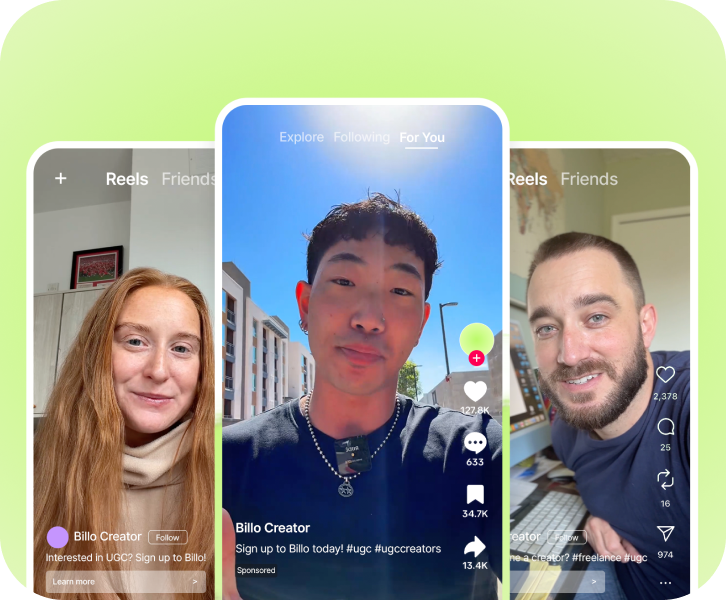
Let’s dive into the dynamic world of UGC with a look at some popular examples, showcasing the incredible impact and reach of Billo creators.
Billo UGC creators are extremely diverse and their content comes in various forms, each demonstrating the unique creativity and influence of the individual creator.
Good stuff, right?
These UGC creators have the ability to influence purchasing decisions, educate potential customers, and connect with viewers on a personal level. UGC content has become a vital source of information and social proof, helping consumers make more informed choices.
The Value of UGC Content Creators for Brands
In the digital marketing landscape, UGC has proven its worth repeatedly. Here’s why brands increasingly rely on UGC content creators over traditional content production.
1. Authenticity and Trust
Because UGC content looks and feels like native social content, viewers are more likely to stop scrolling, watch longer, and believe the message. This trust factor plays a major role in purchase decisions, particularly for e-commerce brands competing in crowded markets.

UGC content creators don’t “sell” in the traditional sense. They show products in real use. And that difference significantly impacts consumer behavior and conversion rates.
Explore the best UGC campaign examples to find inspiration for your brand.
2. Higher Engagement and Performance
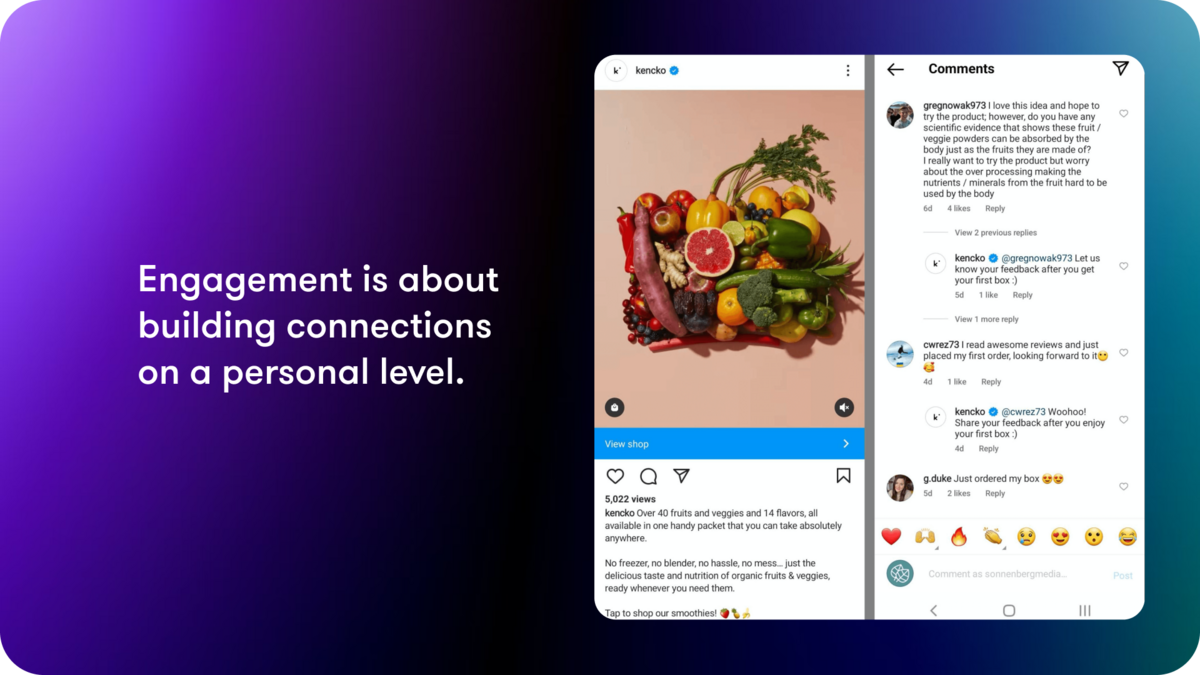
Short-form videos created by UGC content creators are designed to feel natural in social feeds, which leads to higher click-through rates, longer watch times, lower ad fatigue, and improved conversion rates. To get even more authenticity a lot of brands opt for organic posting, removing their own handles from the content.
Because this content blends into the platforms where people already spend time, it invites interaction rather than interruption.
For performance-driven brands, UGC content creators deliver creative assets that are optimized for conversion – not just aesthetics.
3. Cost-Efficiency and Scalability
UGC content creators offer brands a significantly lower production cost compared to traditional advertising content. A single UGC video can be repurposed across multiple platforms, used in paid UGC ads, on landing pages, and in email campaigns, and quickly tested to identify top-performing creatives.
This scalability makes UGC content creators especially valuable for brands running continuous ad testing and optimization. The affordability and high return on investment of UGC makes it an attractive option for businesses of all sizes, letting them harness the power of peer-to-peer recommendations without the cost of a full production team.
How to Become a UGC Creator: Step-by-Step Guide
Ready to start your journey as a UGC content creator? Here’s exactly how to go from zero to landing your first paid brand deal.
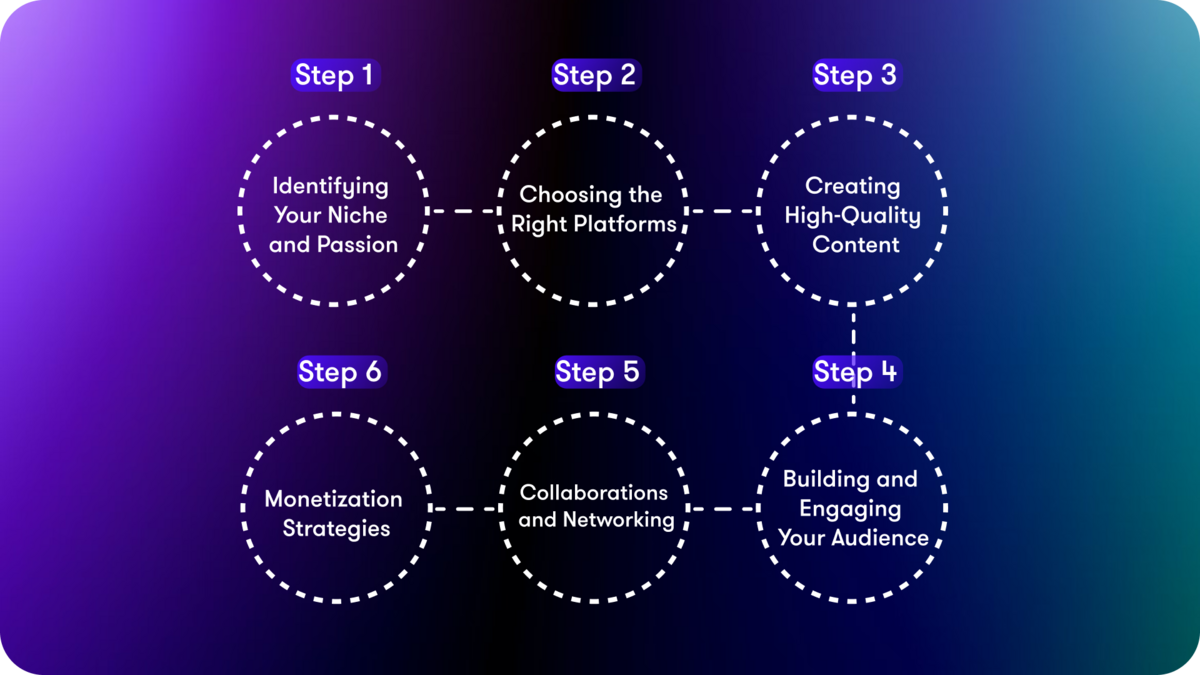
Step 1: Identify Your Niche and Passion
Start by identifying a niche that aligns with your interests and everyday life – such as fashion, travel, food, beauty, or technology.
Brands look for UGC content creators who can speak naturally about their products, so choosing a niche you genuinely understand will make your content more believable and effective.
Step 2: Choose Your Platforms
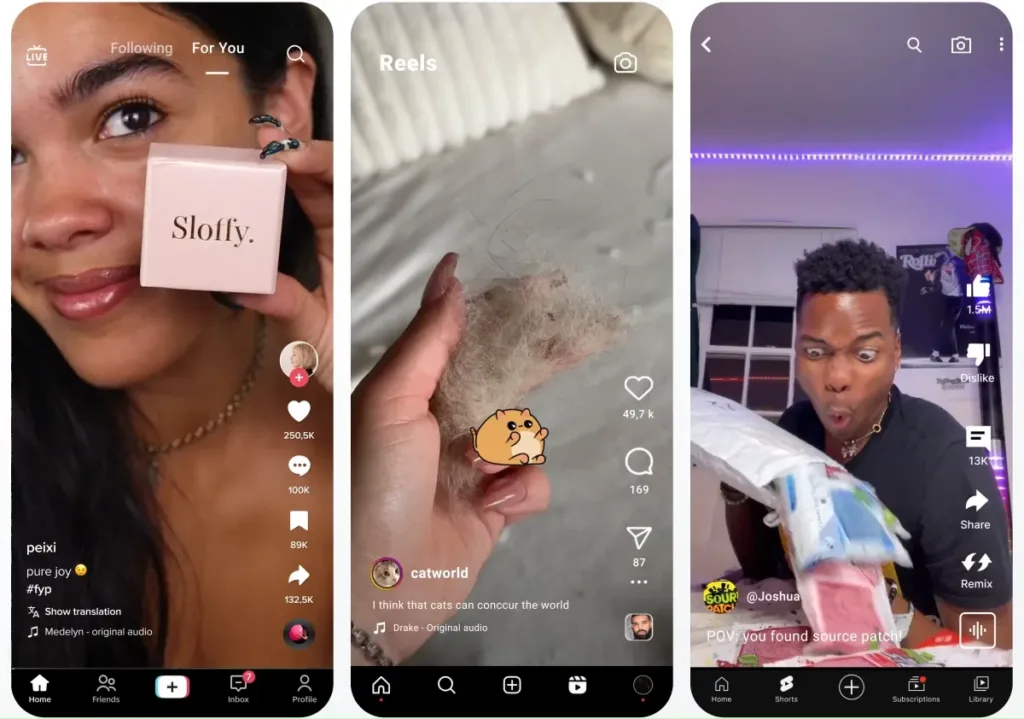
Most UGC content creators focus on platforms that prioritize short-form video, including TikTok, Instagram Reels, and YouTube Shorts.
You don’t need to be everywhere. Choose one or two platforms where:
- Short-form video performs well
- You’re comfortable creating content
- Brands are actively advertising
Step 3: Create Sample Content
Before landing paid work, you need sample videos that showcase your style. Film 3-5 videos using products you already own. These don’t need to be sponsored. Brands mainly want to see your on-camera presence, storytelling ability, and how naturally you can showcase products.
Focus on:
- Showing real product use
- Clear hooks in the first few seconds
- Natural delivery and storytelling
Step 4: Build Your UGC Creator Portfolio
Your UGC portfolio is the single most important tool for landing paid UGC work. It should include your best 3-5 sample videos, a brief bio explaining your niche and style, the types of content you create (testimonials, unboxings, tutorials, etc.), and your rates or pricing tiers.
You can host your portfolio on a simple link-in-bio page, a Canva-built PDF, or a dedicated website. Keep it clean, professional, and easy to browse on mobile.
Step 5: Find UGC Creator Jobs and Apply
Once your portfolio is ready, you can begin applying for UGC jobs through:
- UGC platforms like Billo
- Brand outreach via email or social media
- Creator marketplaces and job boards
This is where consistency matters – most UGC content creators land their first paid job after multiple applications.
Step 6: Deliver, Learn, and Scale
After landing your first few projects, focus on building long-term brand relationships, improving your production quality based on feedback, expanding into additional niches as you gain confidence, and raising your rates as your portfolio of real brand work grows.
UGC Creator Tools and Equipment
One of the most common questions aspiring UGC content creators ask is what equipment they actually need. The good news: you can start with very little.
Starter Setup (Under $150)
A smartphone with a decent camera (most phones from the last 2-3 years are fine), a basic ring light or clip-on LED light ($15-30), a small tripod or phone mount ($10-20), and a clip-on lavalier microphone ($15-25). This is genuinely all you need to create professional-looking UGC content. Many successful UGC creators still use nothing more than this.
Editing Tools
For video editing, CapCut is the most popular free option among UGC creators and handles most editing needs. InShot is another solid free alternative. For creators ready to invest, Adobe Premiere Rush or Final Cut Pro offer more advanced capabilities. For creating thumbnails, cover images, or portfolio materials, Canva is the go-to tool.
As You Grow
Once you’re earning consistently, consider investing in better lighting (a softbox or key light), an external microphone (like a Rode or Blue Yeti), a backdrop or dedicated filming space, and a higher-end camera if your phone isn’t cutting it.
The key takeaway: equipment should never be a barrier to starting. Start with what you have and upgrade as your income justifies it.
How Much Do UGC Creators Make?
By now, you’ve learned a bit about the exciting world of UGC creators, understanding their pivotal role in the digital landscape and the journey to becoming one. But let’s talk numbers.
Typical UGC Creator Rates in 2026
Entry-level UGC creators with a basic portfolio typically earn $50 – $150 per video. Experienced UGC creators with proven brand work charge $150 – $350 per video. Premium UGC content creators with strong portfolios and niche expertise can charge $350 – $500+ per video.
These rates are for a single deliverable, usually a 15-60 second video. Rates increase for add-ons like additional hooks, longer formats, usage rights extensions, or organic posting through the creator’s own account.
How Billo UGC Creators Earn
On the Billo platform specifically, creator payouts for a 15-second video start at $30 for new creators and $70 for premium creators. The final payout accumulates based on video length, add-ons (such as hooks or additional material), and creator services like organic posting, and partnership ads where the price is set by the creators themselves.

Common UGC Creator Revenue Streams
Beyond per-video payments, UGC content creators can diversify their income through several channels.
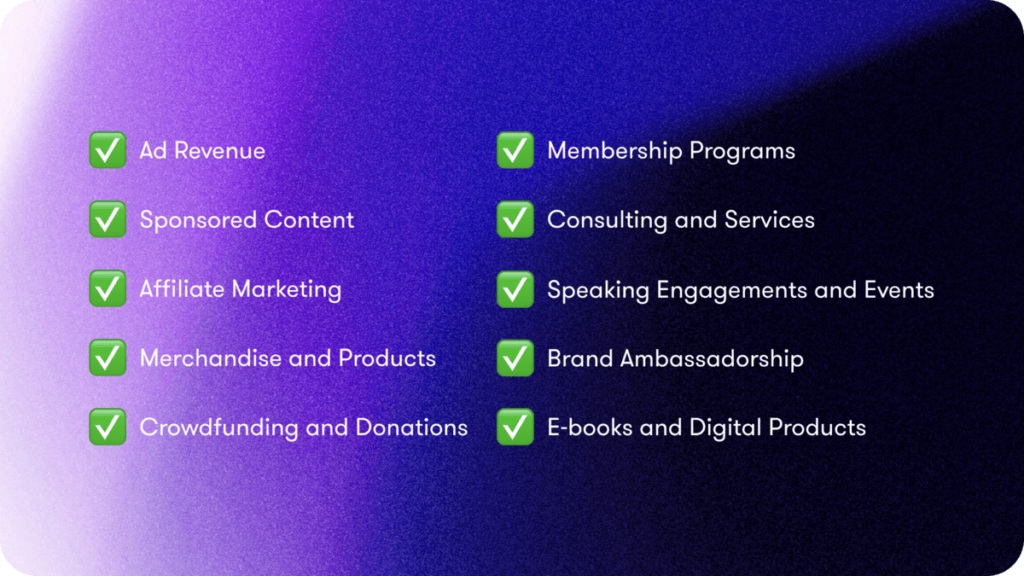
Sponsored content and brand deals remain the primary income source for most UGC creators. Brands pay for individual videos, multi-video packages, or ongoing content partnerships. The key is to work with brands that align with your niche and values to keep your content authentic.
Affiliate marketing offers a complementary income stream where UGC creators promote products they genuinely use, earning a commission on each sale generated through unique tracking links or affiliate landing pages.
Retainer and ambassador deals provide stable recurring income. As you build relationships with brands, some will offer ongoing monthly retainers for regular content production, which provides more financial predictability than one-off projects.
6 Tips to Earn More as a UGC Content Creator
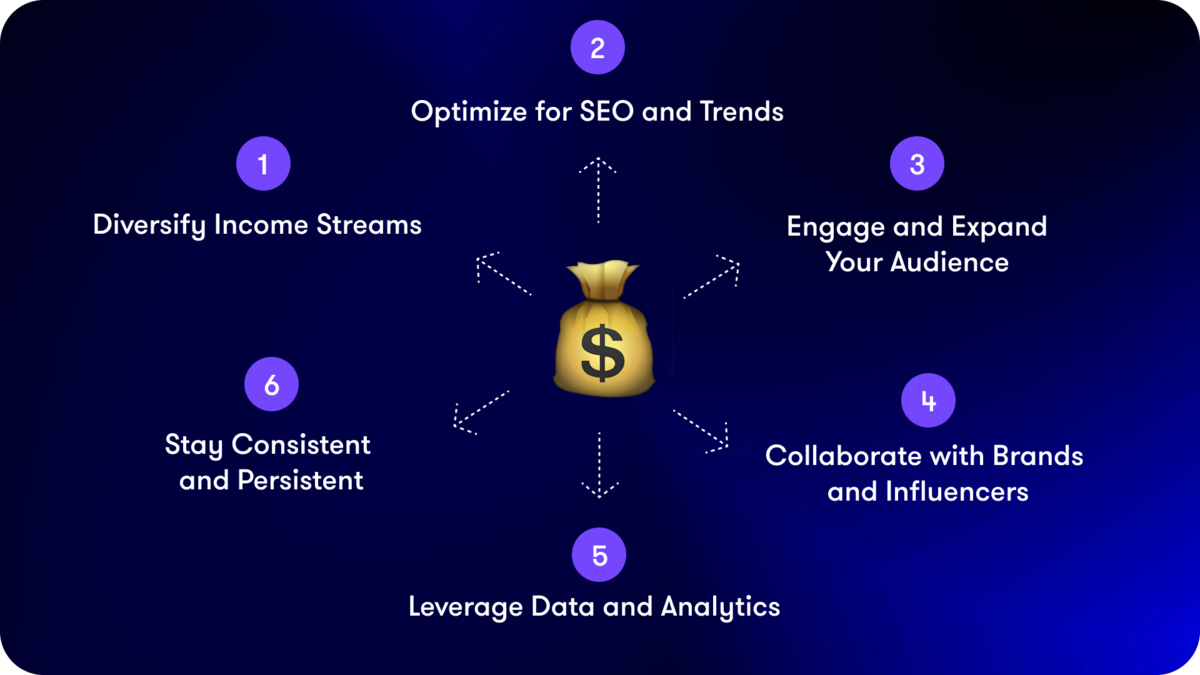
Already creating UGC content? Here are practical strategies to increase your rates and overall income as a UGC creator.
Tip 1: Offer Organic Posting as an Add-On Service
One of the fastest ways to increase your per-project earnings is to offer organic posting alongside your video deliverables. This means posting the approved brand video on your own TikTok or Instagram profile for a set period (typically 30 days), giving the brand extra reach through your personal feed.
On platforms like Billo, creators set their own price for organic posting, so you control exactly how much this service adds to your total payout. Even if your following is modest, brands value the additional touchpoint and the authentic social proof that comes from a real person sharing their product.
Tip 2: Enable Partnership Ads from Your Creator Handle
Partnership ads take organic posting a step further. When you grant a brand an ad code, they can run paid ads from your creator handle through Meta Partnership Ads or TikTok Spark Ads while keeping full control of targeting and budget.
For UGC creators, this is a premium service because it lets brands combine the trust of your personal profile with the scale of paid media. According to Meta data, partnership ads deliver 13% higher click-through rates, 19% lower CPAs, and 71% higher brand lift compared to standard brand-run ads. On Billo, you set your own price for this service, making it a powerful way to earn more from every project without creating additional content.
Tip 3: Sell Additional Footage and Hooks
Brands running performance ads need creative variety. They test multiple hooks, angles, and edits to find what converts best.
As a UGC content creator, you can increase your earnings per project by offering additional footage as an add-on, such as extra hook variations, B-roll clips, or alternative openings. These take relatively little extra effort since you’re already set up and filming, but they add real value for brands who need fresh creative for their ad testing cycles. On Billo, creators set their own pricing for these add-ons, so every additional piece of material you offer stacks directly onto your base payout.
Tip 4: Specialize in a High-Value Niche
UGC creators who specialize in industries like tech, finance, health, or SaaS tend to command higher rates because the brands in those spaces have bigger budgets and fewer creators to choose from. If you can speak credibly about a higher-value product category, your earning potential increases significantly.
Tip 5: Build Long-Term Brand Relationships
One-off projects are fine for building your portfolio, but recurring brand partnerships are where the real income stability comes from. Deliver excellent work, communicate professionally, meet deadlines, and proactively suggest new content ideas. Brands prefer to keep working with UGC creators they trust rather than constantly onboarding new ones.
Tip 6: Review Your Rates Regularly
Many UGC content creators undercharge because they’re afraid of losing clients. As your skills and portfolio improve, review your rates every 3-6 months. The brands that value quality creative will pay for it, and you’ll naturally filter toward higher-budget clients who are better to work with.
Helpful Resources for Aspiring UGC Creators
As you dive into UGC creation, these tools and learning platforms can help you sharpen your skills and stay ahead of trends.
- YouTube Creator Academy: Free courses and resources covering content strategy, audience growth, and video production fundamentals that apply directly to UGC work.
- Buffer Blog: Practical insights on social media marketing and content distribution, including platform-specific tips that help UGC creators understand where and how their content gets used.
- CapCut: The most popular free video editing tool among UGC creators. Handles cuts, transitions, text overlays, and auto-captions, which covers most of what you need for short-form video.
- Canva: A versatile design tool for building your UGC portfolio, creating pitch decks for brand outreach, and designing thumbnail images or cover slides.
- Google Trends: Useful for spotting rising product categories and content angles. UGC creators who align their content with trending topics tend to land more brand deals.
One trend worth knowing as a creator: some brands are now hiring for Canvas UGC, posting to a brand-owned account instead of your own, which changes what a client might expect from you on a project.
FAQs
What is a UGC content creator?
Can you be a UGC creator with no followers?
How do I get started as a UGC creator?
What equipment do I need to start creating UGC?
How much do UGC content creators make?
What is the best UGC platform for beginners?

SEO Lead
Passionate content and search marketer aiming to bring great products front and center. When not hunched over my keyboard, you will find me in a city running a race, cycling or simply enjoying my life with a book in hand.
Make creator marketing a data-backed growth channel

Related from Creative Insider
Billo vs SideShift: a side-by-side comparison
Billo vs Influee: a side-by-side comparison
Best Cohley alternatives: 6 platforms compared for 2026