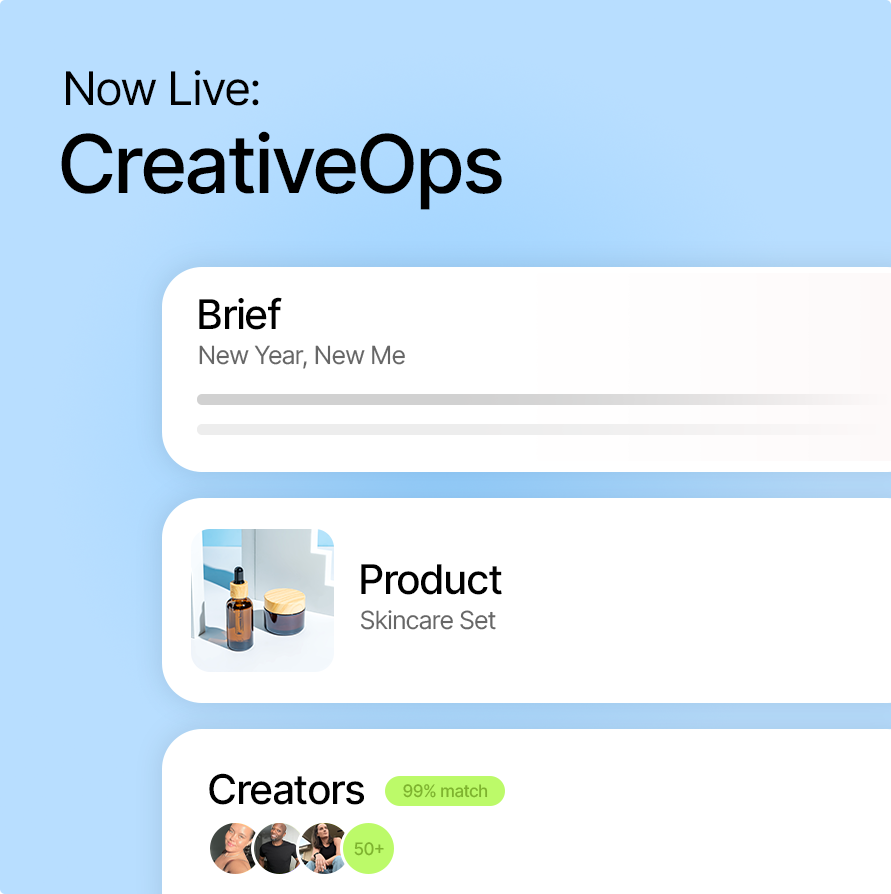
Social Media Video Production


Social media video production has shifted from a creative challenge to a distribution challenge. Platforms now decide how videos are framed, paced, and surfaced before production even begins, forcing brands to rethink how they plan and ship content. As feeds prioritize native formats like Reels and Shorts, teams that design videos for downstream placement outperform those retrofitting assets later.
In this guide, you’ll learn how modern social media video production works, why social-first workflows outperform traditional models, and how to build a repeatable system optimized for speed, testing, and performance.
TL;DR
- Social media video production works best when planned for platform-native distribution from the start.
- Vertical-first, short-form video consistently outperforms retrofitted or long-form brand assets.
- Production decisions should prioritize hooks, captions, pacing, and placement before scripting or filming.
- Creator-led and UGC-style videos scale faster and build more trust than polished studio content.
- Producing multiple hooks and edits from each shoot increases testing velocity and reduces creative risk.
- Continuous measurement and creative refresh cycles are essential to maintain performance in fast-moving feeds.
What Social Media Video Production Means in 2026
Social media video production in 2026 is defined by speed, adaptability, and platform-native execution. Instead of producing a single polished asset, teams now focus on creating repeatable video systems designed for testing, iteration, and short-form performance across feeds.
This shift reflects how platforms reward content today. Short-form, vertical video with fast hooks, captions, and creator-style delivery consistently outperforms traditional, cinematic formats in engagement and ROI.
Social-first video vs. traditional production
Social-first video prioritizes vertical framing, fast pacing, and immediate clarity in the first few seconds. Benchmark data shows that short-form, platform-native video delivers stronger ROI than longer, repurposed brand assets, reinforcing why production decisions must align with feed behavior from the start.
Traditional video workflows typically rely on a single concept, a single edit, and heavy post-production. In short-form feeds where retention and iteration speed matter most, this approach underperforms because it limits testing velocity and creative variation.
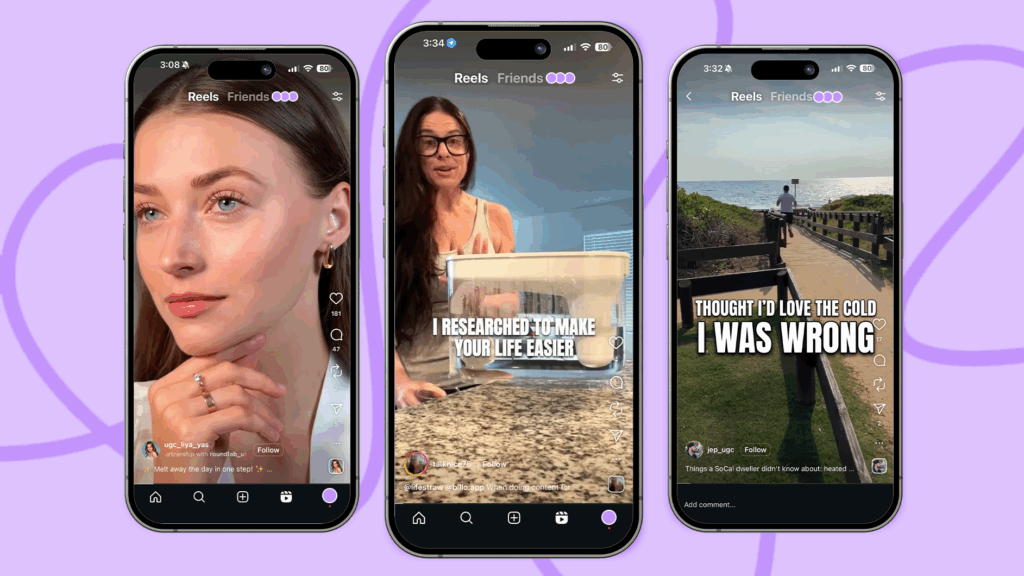
UGC and creator-led content now function as a repeatable production pipeline rather than one-off campaigns. As creator content continues to capture more ad revenue share, brands increasingly treat creators as a core input to their video production system, not an experimental add-on.
How the Modern Social Media Video Production Workflow Works
Modern social media video production follows an end-to-end system built for performance, not polish. High-performing teams design every stage of production around platform specs, testing velocity, and reuse across placements.
This workflow reduces wasted footage, shortens turnaround times, and increases the number of testable assets produced from each shoot.
1. Plan for performance in pre-production
Pre-production now starts with distribution decisions, not scripts. High-performing teams define the target platform, format, and hook variations before filming to avoid unusable footage and costly reshoots, following platform guidance from Meta’s official documentation on video planning.
Planning multiple hooks at the brief stage aligns with short-form consumption behavior and ad testing best practices. This approach increases the odds of early engagement and gives teams more creative inputs to test without restarting production.
2. Capture vertical-first during production
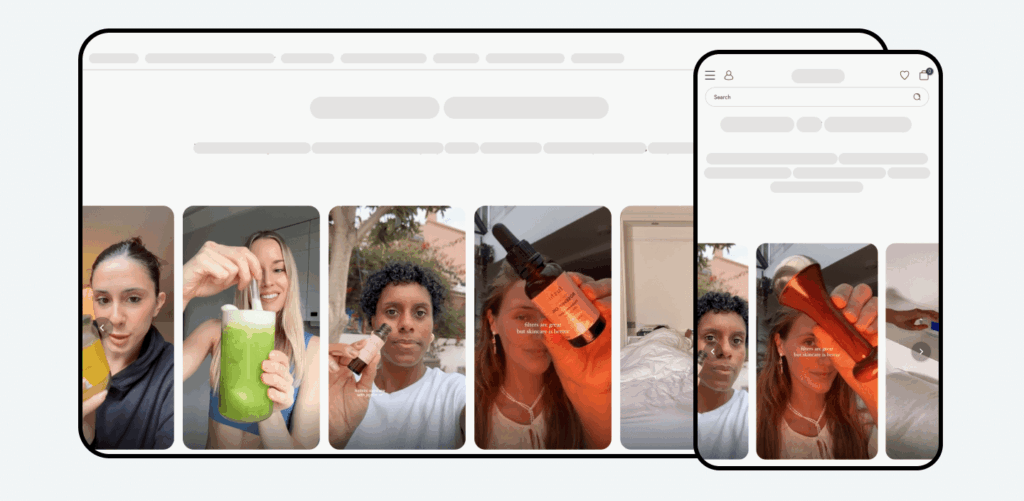
Production has shifted toward vertical-first capture using a 9:16 aspect ratio. Shooting with safe zones and headroom in mind allows the same footage to be reused across Reels, TikTok, and Shorts without aggressive cropping, based on Meta’s recommended video specifications.
Creator-style setups dominate this stage. Phone cameras, natural lighting, and minimal crews are faster to deploy and align with native feed aesthetics, which industry data shows perform better than overproduced formats in social environments.
3. Increase velocity in post-production
Post-production focuses on speed and variation. Captioning is now a baseline requirement due to sound-off viewing behavior and accessibility expectations, making visual clarity essential even without audio.
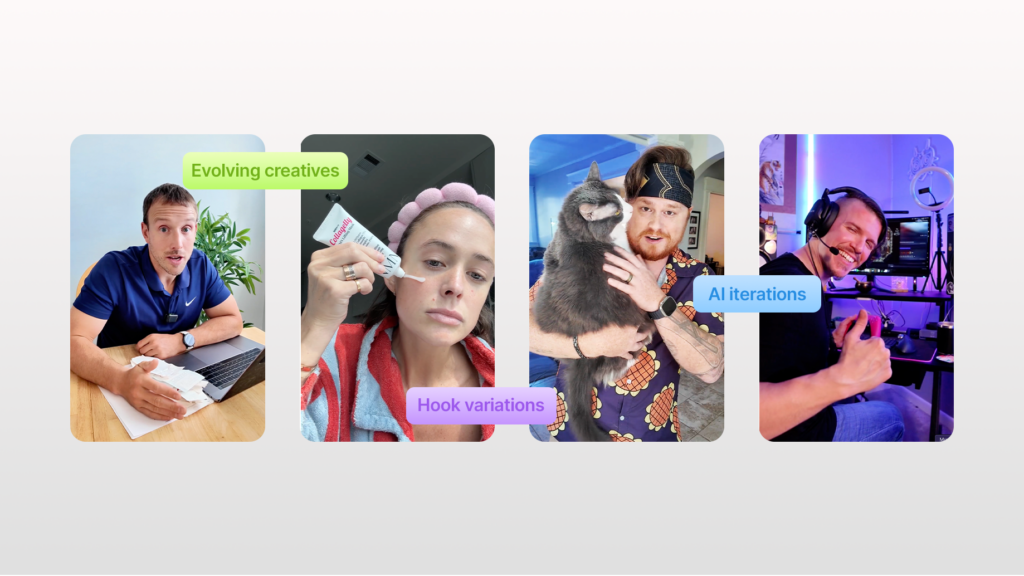
Producing multiple cut-downs and variants from a single shoot enables faster creative testing without increasing production costs. This allows teams to iterate quickly, identify winners, and refresh creatives as performance data evolves.
How Platform Specs Change the Way You Shoot
Platform specifications now act as production constraints, not post-production guidelines. As feeds standardize around vertical, in-feed video, teams must account for aspect ratio, safe zones, and duration before filming to avoid creative loss and rework.
Designing for specs upfront ensures footage can move seamlessly across placements while maintaining clarity, legibility, and performance.
Adapt production for Meta Reels
With all Facebook videos being categorized as Reels, vertical-first production is no longer optional on Meta platforms. Reels-safe framing, vertical aspect ratios, and clear visual hierarchy are required to ensure content displays correctly across Facebook and Instagram feeds.
Meta’s official guidance outlines specific requirements for aspect ratio, resolution, file format, and safe zones. Treating these specs as non-negotiable production inputs helps teams avoid cropped messaging, cut-off captions, and underperforming assets.
Shoot tighter for TikTok in-feed placements
TikTok’s in-feed video specifications influence how tightly content should be framed and paced. Aspect ratio, duration limits, and file size constraints push creators to deliver concise, visually focused videos that communicate value quickly.
Because TikTok rewards early engagement, shooting with strong visual emphasis and minimal background noise improves retention and increases the likelihood of distribution within the feed.
Capture vertical-first for YouTube Shorts
YouTube Shorts reinforce the need for vertical-first capture across platforms. Google’s documentation confirms that vertical video is the preferred format for Shorts, making horizontal-first production inefficient for cross-platform reuse.
By capturing vertical footage from the start, teams can distribute the same creative across Reels, TikTok, and Shorts without compromising framing or viewer experience.
The brief requirements for YouTube Shorts differ from Reels and TikTok in a few key ways. Read the full YouTube UGC ads guide for format-specific briefing guidance.
Creative Principles that Consistently Improve Performance
High-performing social media video production relies on a small set of creative principles proven to work across platforms. These principles focus on stopping scroll, maintaining clarity, and building trust in environments where attention is limited.
When applied consistently, they improve retention, completion rates, and downstream conversion performance.
1. Win attention with early hooks
The first one to three seconds determine whether a viewer keeps watching. Benchmark data shows that strong early hooks significantly improve retention in short-form feeds, making the opening frame the most valuable real estate in the video.
Effective ad hooks clearly signal value immediately. Visual movement, direct statements, or problem-led framing help viewers understand why the content is worth their time.
2. Design for sound-off viewing
Most social feeds autoplay videos without sound, which makes visual storytelling essential. Captioning improves comprehension and completion rates in muted environments, according to peer-reviewed research on video consumption behavior.
Clear on-screen text, visual cues, and demonstrations ensure the message lands even when audio is disabled. This also improves accessibility and expands reach.
3. Build trust with UGC-style proof
Creator-led and UGC-style content consistently aligns with higher trust and engagement. Real people demonstrating products, sharing experiences, or walking through use cases feel native to social feeds and reduce ad resistance.
As creator content continues to capture a growing share of ad revenue, brands increasingly rely on UGC-style proof points such as demos, testimonials, and lived experiences to drive performance.
How to Measure and Iterate Social Media Video Production
Modern social media video production depends on continuous measurement and iteration. Instead of judging success by views alone, high-performing teams track how videos hold attention, drive clicks, and convert downstream.
This measurement loop informs what to refresh, scale, or retire, keeping creative aligned with platform preferences and audience behavior.
Track performance beyond views
Short-form video performance is commonly evaluated using retention, watch time, thumb-stop rate, click-through rate, and conversion metrics. These signals show whether a video earns attention and drives action, not just reach.
Focusing on these metrics helps teams identify which hooks, creators, and formats contribute to real business outcomes rather than vanity engagement.
Run structured creative tests
Testing multiple hooks, edits, and creators within the same campaign enables faster learning. Structured testing reduces reliance on single “winner” assets and spreads performance risk across variations.
Data from ongoing tests informs future briefs, allowing teams to double down on what works while quickly cutting underperforming concepts.
Refresh creatives to maintain momentum
Social platforms increasingly reward novelty and frequency, making iterative refresh cycles essential. Creatives that perform well initially often fatigue within weeks as audiences saturate.
By refreshing hooks, formats, or creators regularly, teams sustain performance while maintaining a steady testing cadence.
Why Use Social Media Platforms For Marketing?
When it comes to the why behind incorporating social video content production into your marketing strategy, there are so many, it is wise to narrow down the most advantageous. But here are some of the ones clients should know about:
1. Easily Shared
Utilizing high-quality video as part of your content strategy is a must. People tend to be drawn in by this type of content, and when they are entertained or informed, you will find that they are more likely to share that content which will boost brand awareness.
2. Visibility
Video production uses engaging moving imagery, which can catch your audience’s attention faster. Because of the sharability and the branded focus, you will have, it will bring in new viewers and build your business.
3. Searchable
Social media advertising is all about being able to be found, whether that is on a social media platform feed or through a search engine. That is why, if properly optimized, your branded video should show up in search.
This is done when your video production company uploads the video project and can potentially extend your reach to potential customers. Using marketing project management software can streamline the entire video production process, ensuring timely delivery and consistent communication across teams.
4. Converts At A Higher Rate
With good video quality and the right copy, including a powerful CTA, your video can drive more people to your website and help your team increase the conversion rate.
5. Able to Use Trends
Every social media platform (Facebook, Twitter, YouTube, etc.) have their own demographic and,, therefore their own trends. With video, you can create content that will draw attention to your brand, message, and what you can offer the potential customer.
By using the latest trends, most video production companies can create dynamic videos or videos that build out a solid social video strategy.
This can be handy even for a social media video production company itself. By using the tools that you use for your customers, you will be able to improve your customer list and build stronger credibility in the market.
Continue learning:
- Combine ad sets and social media campaigns
- What is a Facebook digital creator
- Making the most of display ads
- Different commercial types
- Explore UGC video examples
Social Media Video Production Summary
Social media video production now functions as a repeatable system, not a one-off creative task. Brands that plan for platform specs, prioritize vertical-first capture, and produce multiple variants from each shoot consistently outperform those relying on traditional, single-asset workflows.
By treating video as a performance channel built on testing and iteration, teams reduce waste, increase speed, and unlock stronger ROI across social platforms.
Creator-led and UGC-style pipelines are becoming foundational infrastructure for modern teams. These workflows deliver the volume, authenticity, and adaptability required to keep pace with fast-moving feeds.
If your current process relies on polished hero videos or slow production cycles, the next step is redesigning your workflow around testing velocity and platform-native execution. Social media video production works best when distribution, performance, and iteration are built in from the start.
FAQs
What social media is best for videos?
Though each of the social media options has its own special features, it is easy to choose the top two for videos. The first is, of course, YouTube, as it is designed for videos and videos alone. After that, with Instagram’s new focus on pushing video, it has to be mentioned as well.
What makes social media video production different from traditional video production?
Social media video production is designed for platform-native feeds, short attention spans, and fast testing cycles. Traditional production focuses on single polished assets, while social-first workflows prioritize vertical formats, fast hooks, and multiple variants to optimize performance.
How many versions should be produced from a single shoot?
High-performing teams typically produce multiple hooks, cut-downs, and edits from a single shoot. This approach supports structured testing and reduces risk by avoiding reliance on one “winner” asset.
How do platform specs impact creative performance?
Platform specs determine framing, pacing, and legibility in-feed. Videos that follow aspect ratio, safe zone, and duration guidelines perform better because they display correctly, hold attention, and avoid visual friction.

SEO Lead
Passionate content and search marketer aiming to bring great products front and center. When not hunched over my keyboard, you will find me in a city running a race, cycling or simply enjoying my life with a book in hand.
Make creator marketing a data-backed growth channel

Related from Creative Insider

Persona Marketing in The Andromeda Era

The Ultimate Content Pipeline for Ads: Never Run Out of Winning Creative
Why Your Ads Die After 2-3 Weeks (and How to Beat Creative Fatigue)