Creative diversity isn’t optional: why Meta’s algorithm buckets look-alike UGC


Most Meta ad teams still treat creative diversity as a numbers game: more hooks, more headlines, more thumbnails. The algorithm disagrees.
Meta now scores that disagreement directly inside Ads Manager. A new Creative diversity metric rates every ad set Low, Medium, or High based on how visually similar its images and videos are to one another.
The rating exposes sameness that looks like variety from the outside. Ad sets mixing statics, video, user-generated content (UGC), and carousels together can still came back Low. Because the system reads structural sameness across assets rather than which content types you used.
TL;DR:
- Meta now rates creative diversity directly inside Ads Manager, scoring how visually and structurally similar your assets look to each other.
- Pacing and format are the two levers most briefs skip. Format sits directly inside what the algorithm scores, and pacing shapes that same visual signal from underneath.
- A pace and format matrix raises the score more reliably than adding more creative volume.
Meta’s algorithm doesn’t see “different” the way you do
“Different” is not a subjective call anymore. Meta’s ad-serving system reads every video the same way, looking for signals a person watching casually would never consciously notice.
Pixel motion, text overlays, editing rhythm
Andromeda reads a video through computer vision on the visual elements, natural language processing on the copy, and audio analysis on the soundtrack, not the way a person watching it would.
Pace isn’t a feature Meta has confirmed it scores by name. But it changes what those three layers actually see: a faster cut rate changes the visual composition frame to frame, and a slower build holds a single scene in that visual read for longer. The pacing decision shows up inside the signal Andromeda already reads, even without Meta calling it out as its own input.
Creative similarity score and the entity ID collapse
Meta assigns every ad an internal fingerprint based on how visually alike it is to your other ads, an idea most media buyers now call an Entity ID. Once two ads cross roughly a 60% Creative Similarity Score, the system folds them into the same fingerprint and makes them compete for one auction slot instead of expanding your reach.
The practical target is to keep that score under 40%.
Why five hooks on one visual template still count as one ad
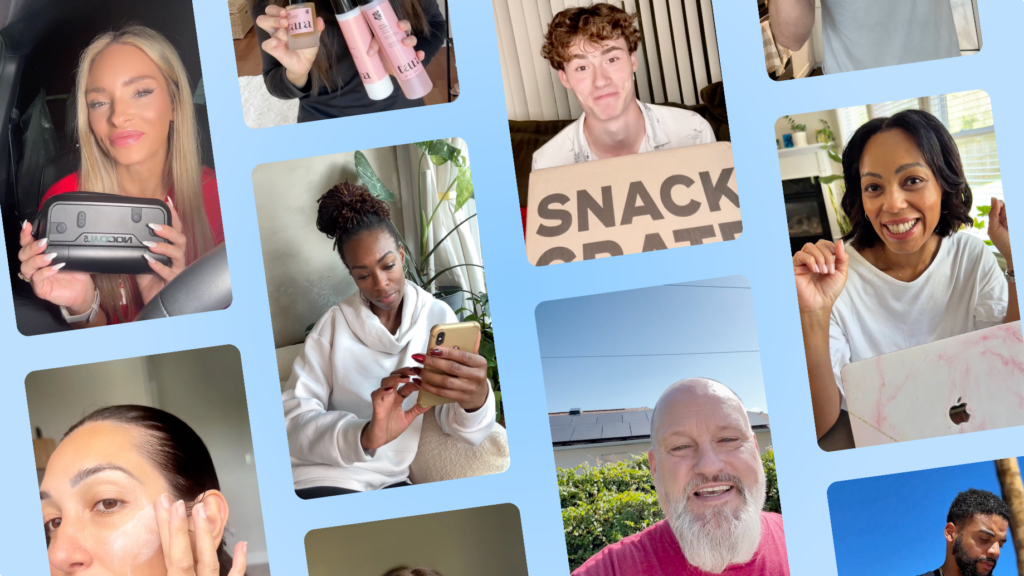
Cosmetic variations on the same visual template do not register as new creative to a system scoring pixels and composition rather than the words placed on top of them.
Five different opening lines on the same shot, same background, and same pacing still read as one Entity ID. The variation has to move deeper than the script.

The 2 diversity levers: pace and format
Most creative briefs specify a hook, a product benefit, and a call to action. Almost none specify a pace or a format. Those two levers are what visual style diversity and UGC format diversity actually mean in practice.
Pace: slow-build vs. high-energy
Editing pacing operates on three simultaneous layers: the arc of the whole video, the shape of each sequence, and the length of individual cuts. It functions as a craft variable with no shared benchmark, unlike color grading or sound design.
Native short-form UGC typically runs at 0.5 to 0.8 cuts per second, and pushing that pace higher in the first three seconds can lift hook rate by 15% to 25%. Briefing a slow-build cut and a high-energy cut of the same script produces two structurally different assets from one shoot.
Format: testimonial, unboxing, green-screen, FaceTime-style, demo, day-in-life
Testimonial, unboxing, tutorial, before-and-after, day-in-life, and green-screen count as distinct UGC ad formats because each one asks the viewer to believe something different. A testimonial proves a result happened. An unboxing proves the product exists as described. A demo proves it works.
A single product can move through several of these formats without a new shoot. A green-screen cut with a different background, a FaceTime-style selfie take, and a day-in-life integration are three separate visual structures built from the same raw footage.
Building a pace × format matrix
Pace and format only work as diversity levers when they show up in the brief as specific instructions, not as a general note to “keep it varied.”
Meta quietly dropped its old guidance of no more than six ads per ad set. Top advertisers now run 10 to 50 ads per ad set, built around genuinely different concepts rather than headline tweaks on one template.
Volume without a plan behind it rarely moves the needle. Meta’s own research on repeated exposure found conversion likelihood drops by roughly 45% after just four repeated exposures to the same creative, the exact decline a pace and format matrix is built to slow down.
A simple way to plan it: take one script and map it against pace and format before you brief anything. Each cell below is its own brief, not a variation of another one.
| Testimonial | Unboxing | Green-screen | Day-in-life | |
|---|---|---|---|---|
| Slow-build | Let the result land before the reveal | Product reveal paced like a gift, not a demo | Calm, single-take voiceover over a storytelling backdrop | A quiet morning-routine integration |
| High-energy | Quick-cut proof points straight to the result | Fast unwrap, rapid cuts on each layer removed | Punchy background swaps timed to the beat | A rushed, chaotic day compressed into seconds |
How many different combinations do you need?
Start with an audit rather than a production sprint. Enable the creative diversity column, flag any ad set rated Low, and map your matrix from there: two pace options across four formats gives eight structurally distinct variants from a single script, without a new concept behind each one.
That number isn’t arbitrary. It lands inside the 8 to 10 meaningful variations recommended right after a Low rating, and inside Billo’s own benchmark of 8 to 15 meaningfully different variants per ad set. Add a third pace or a fifth format only once those eight are live and you can see which cells are actually moving the score.
Each cell in the matrix doesn’t require a separate shoot. A slow-build and a high-energy take of the same script can come from one creator session, with the pace difference set in the edit or in how the creator delivers each take. Spreading a matrix across two or three creators instead adds a different kind of variety on top: a new face and voice for each format, which is its own diversity signal separate from pace or format alone.
Signals you’re producing volume, not creative diversity
A rising ad count with no plan behind it eventually shows up in performance, usually before anyone on the team notices the account has stopped testing anything genuinely new.
Fatigue now sets in faster than most teams are used to. Declining CTR, rising CPMs, and falling ROAS typically show up within two to four weeks under the current delivery system, down from six or more weeks a couple of years ago.
The clearest technical signal is a CPM that holds flat while CTR drops. As engagement weakens, Meta’s Estimated Action Rate falls, and the system responds by raising your CPM or showing the ad less, which is the auction punishing repetition rather than getting more expensive on its own.

What to change first when the algorithm is bucketing you
The fix is rarely “make more ads.” Accounts confident about their diversity, running statics, video, UGC, and partnership content together, were still rated Low, because the assets shared the same visual structure even though they came in different formats on paper.
Start with the dimension that’s missing entirely rather than the one you’ve touched the least. If every active ad shares the same pace, change the pace before anything else. If every ad uses the same format, change the format next.
Creative diversity overview
Meta has turned creative diversity into a visible, scored metric, and the score measures visual and structural sameness rather than how many ads you have live. Pace and format are the two levers most creative briefs never specify, which is exactly why they’re worth specifying now.
A pace and format matrix, briefed deliberately and checked against the new diversity rating, does more for delivery than another round of headline variations ever will.
FAQs
Does a new hook count as creative diversity on Meta?
How many UGC formats should I test per campaign?
What’s the difference between creative volume and creative diversity?

SEO Lead
Passionate content and search marketer aiming to bring great products front and center. When not hunched over my keyboard, you will find me in a city running a race, cycling or simply enjoying my life with a book in hand.
Make creator marketing a data-backed growth channel

Related from Creative Insider

Persona Marketing in The Andromeda Era

The Ultimate Content Pipeline for Ads: Never Run Out of Winning Creative
Why Your Ads Die After 2-3 Weeks (and How to Beat Creative Fatigue)