The best UGC tools for creators and brands

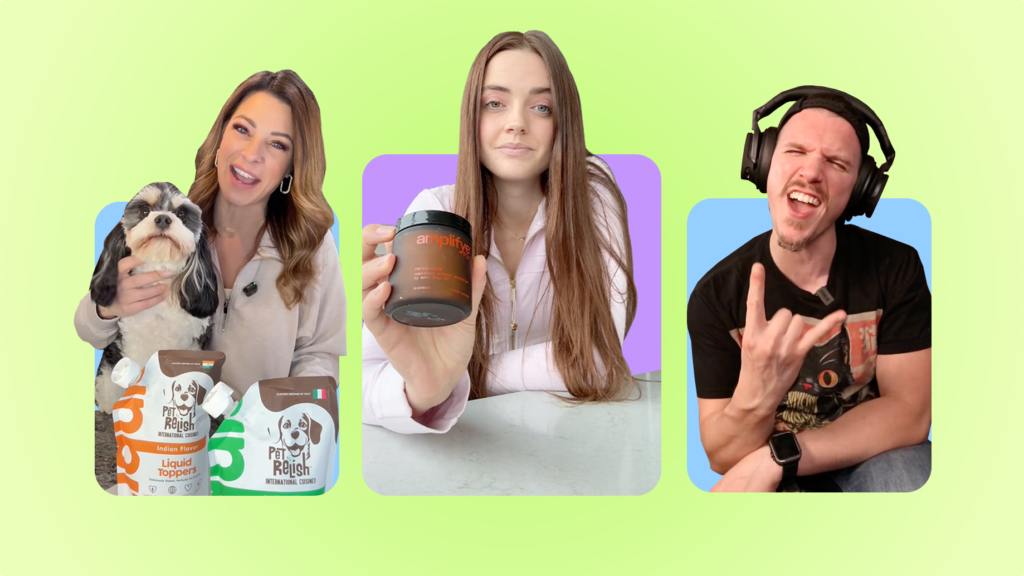
When someone searches for “UGC tools,” they usually mean one of two very different things. A creator wants tools to film, edit, and land deals. While a brand manager is looking for tools to source, manage, and scale creator content for paid ads. The same phrase, two completely different needs.
Most articles on this topic pick one audience and ignore the other. This one covers both, with a clear split between what creators actually need to build their toolkit and what brands need to run effective UGC programs.
TL;DR:
- UGC tools split into two categories: tools for creators (production and distribution) and tools for brands (sourcing, scaling, and management).
- Creators need surprisingly little gear to produce professional-quality content. The essentials are affordable and learnable fast.
- Brands have more options than ever, from authentic creator marketplaces to AI-generated UGC, and the right choice depends on whether performance data or content volume matters more.
- The line between “UGC tools for creators” and “UGC tools for brands” is blurring. The same platforms now serve both sides, and understanding which side you’re on determines which features actually matter
UGC tools for creators
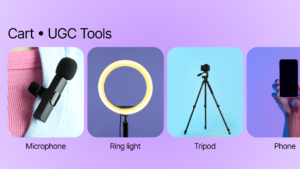
If you’re building your UGC creator toolkit from scratch, the good news is that you don’t need a lot. Most successful UGC creators shoot on their phones, edit on free apps, and use a handful of low-cost accessories to bring everything together. Here’s what actually matters.
1. Filming essentials
Smartphone
Your smartphone is the foundation of your setup, and for most creators, it’s more than enough. Modern phones shoot in 4K, handle decent low-light situations, and give you the flexibility to film, review, and reshoot in the same session. If you’re already carrying a recent iPhone or Android, you’re starting in a good position.
Ring light
Lighting makes more difference to your footage quality than almost any other single factor. A ring light gives you even, soft light that works in any room, at any time of day, regardless of the weather outside. They’re inexpensive and easy to set up, and brands notice the difference immediately when reviewing creator submissions.
Tripod with smartphone holder
Shaky footage reads as amateur immediately. A simple tripod with a phone clamp gives you stability for talking-head videos, product demos, and unboxings without needing a second person to hold the camera. Look for one that’s adjustable in height and light enough to travel with.
Lavalier microphone
Audio is the second-most noticeable quality signal after lighting. Your phone’s built-in mic picks up room noise, echo, and background sound. A lavalier microphone focuses on your voice and dramatically improves clarity, especially for indoor shoots. Compatibility with your phone model is worth checking before you buy.
Smartphone gimbal
If your briefs include walking shots, product reveals, or any moving footage, a gimbal is worth adding. It uses motors to keep your footage stable while you move, giving results that are hard to achieve with a handheld phone. If you are just starting out your UGC career, don’t worry about this one just yet. You will have plenty of time to invest in more gear later on.
2. Editing apps
CapCut
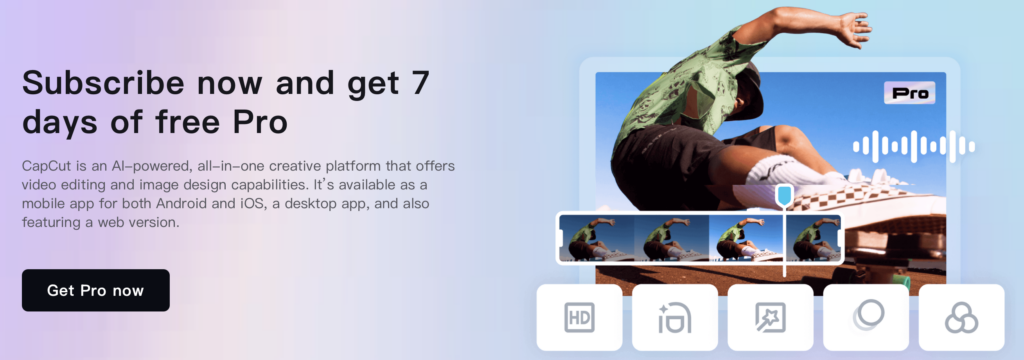
CapCut is the most widely used editing app among UGC creators. It’s free, mobile-first, and built to produce content for TikTok and Instagram Reels. The interface is intuitive enough to learn in an afternoon, with trending effects, transitions, and auto-captions all built in. It’s developed by the same company as TikTok, which means it stays current with what’s actually performing on the platform.
DaVinci Resolve
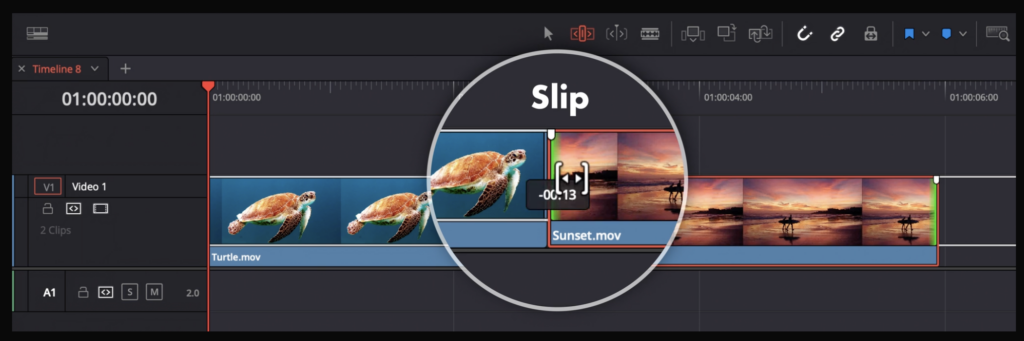
When you’re ready to move beyond mobile editing, DaVinci Resolve is the free desktop option worth learning. It handles color grading, multi-track audio editing, and more complex cuts that professional-quality brand content often requires. It has a steeper learning curve than CapCut, but the output quality is significantly higher for longer or more produced pieces.
iMovie
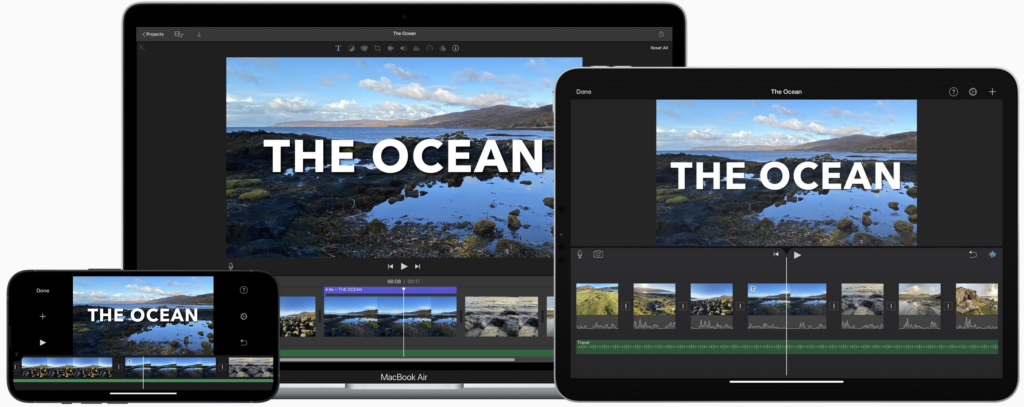
For creators on Apple devices who want something between CapCut and DaVinci Resolve in complexity, iMovie is a solid middle ground. It’s free, integrates well across iPhone and Mac, and handles basic edits cleanly. It’s a reasonable starting point before moving to more powerful tools.
3. AI and research tools
ChatGPT
Scripting is one of the hardest parts of UGC creation, especially when you’re working across multiple brands and product categories at once. ChatGPT is genuinely useful here: feed it a product brief, a target audience, and a desired hook style, and you’ll get usable script drafts in seconds.
It’s an excellent starting point when you’re facing a blank page, but make sure to make the script your own before hitting record. Adjust the phrasing, delivery style and other important elements to your personality and client requirements.
TikTok Creative Center
If you’re creating content for TikTok ads, the TikTok Creative Center is one of the most underused research tools available to creators. It shows you trending sounds, top-performing ad creatives, and hashtag data, all updated in real time. Browsing it before starting a new brief gives you a much clearer picture of what’s actually resonating, which makes your content more likely to get approved and used by brands.
4. Where to find paid brand deals
Having the skills and the setup is only half the equation. You also need a consistent way to connect with brands that pay for creator content.
Billo
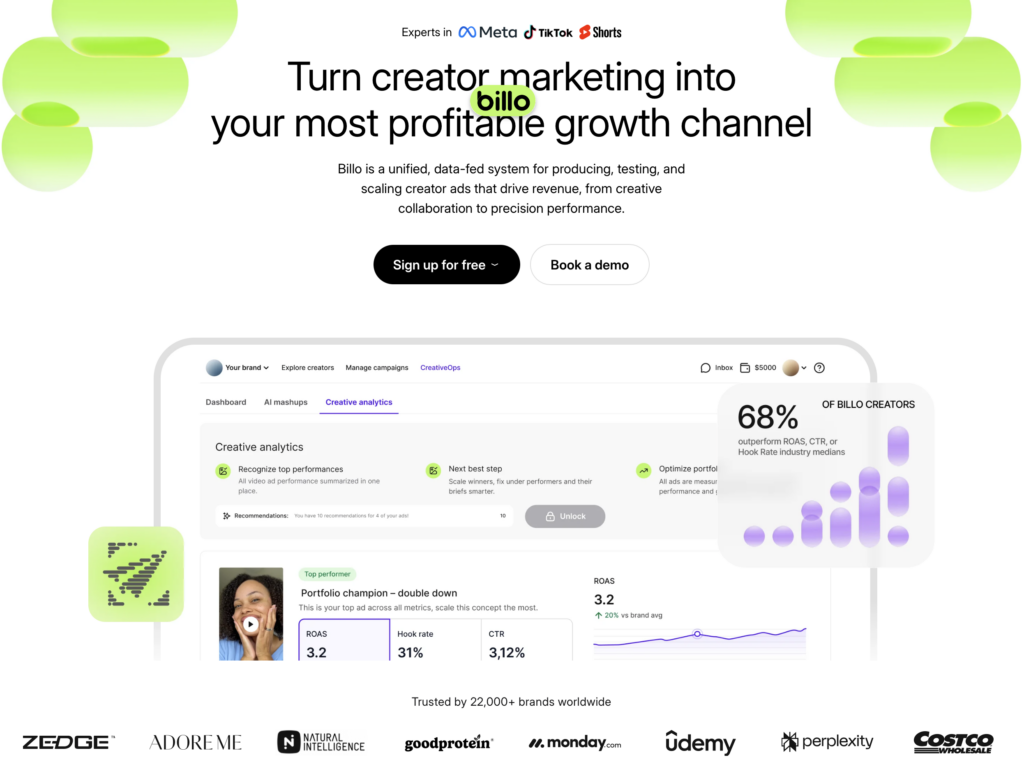
Billo’s Partnerships Hub connects vetted creators with brands looking specifically for video ads on TikTok, Meta, YouTube, and Amazon. Billo works with brands that are running paid campaigns and need content that converts, so creators are matched based on category experience and past performance.Payment is through the platform with a clear brief and revision process, making it a practical fit for creators who are comfortable on camera and want to produce ad-ready content.
Collabstr
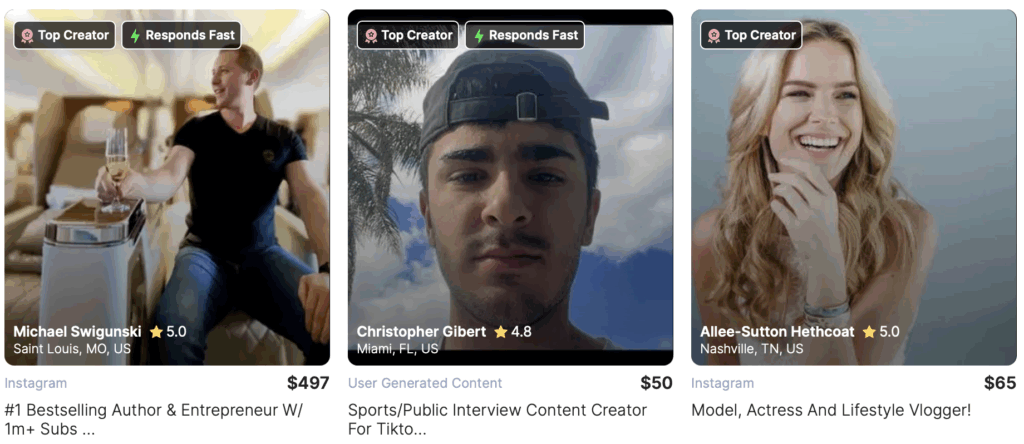
Collabstr is a self-service creator marketplace where brands post campaigns and search creator profiles directly. It covers Instagram, TikTok, and YouTube, and gives creators the ability to set their own rates and negotiate before committing. With 900,000+ creators on the platform, the competition is real, but so is the volume of available opportunities.
JoinBrands
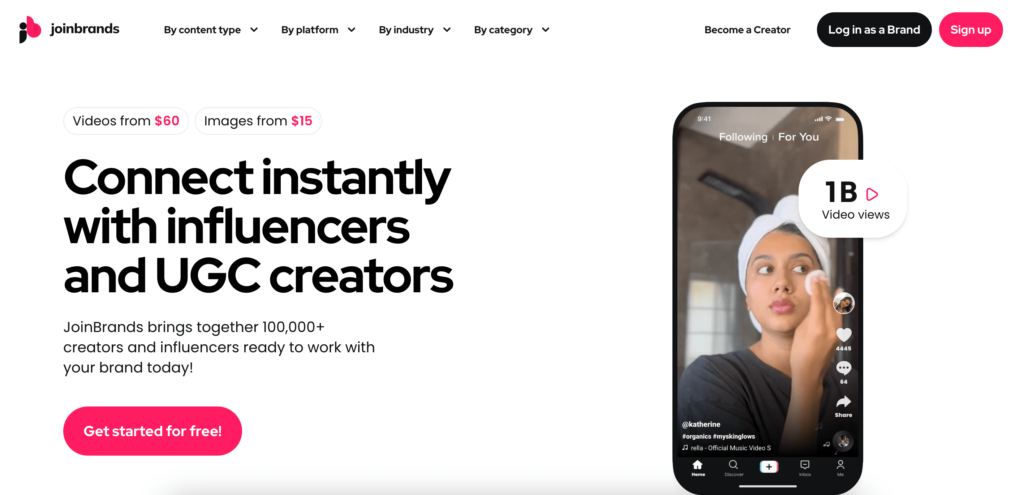
JoinBrands is worth considering for creators interested in Amazon and TikTok content specifically. Brands list paid and gifted campaigns across product video, lifestyle photography, and short-form categories, and creators apply directly. It’s a useful complement to Billo or Collabstr for expanding deal volume across different platforms.
UGC tools for brands
The creator marketplace has expanded significantly over the last few years, and so has the range of tools available to brands. Today, you can source content from real creators, generate synthetic UGC using AI, or collect and display customer content. Each approach has a different use case, cost structure, and performance ceiling.
1. UGC platforms
UGC platforms connect brands with real people who produce content on their behalf. This is the original model for UGC, and it remains the most effective for brands that want authentic content built for paid ad performance.
Billo
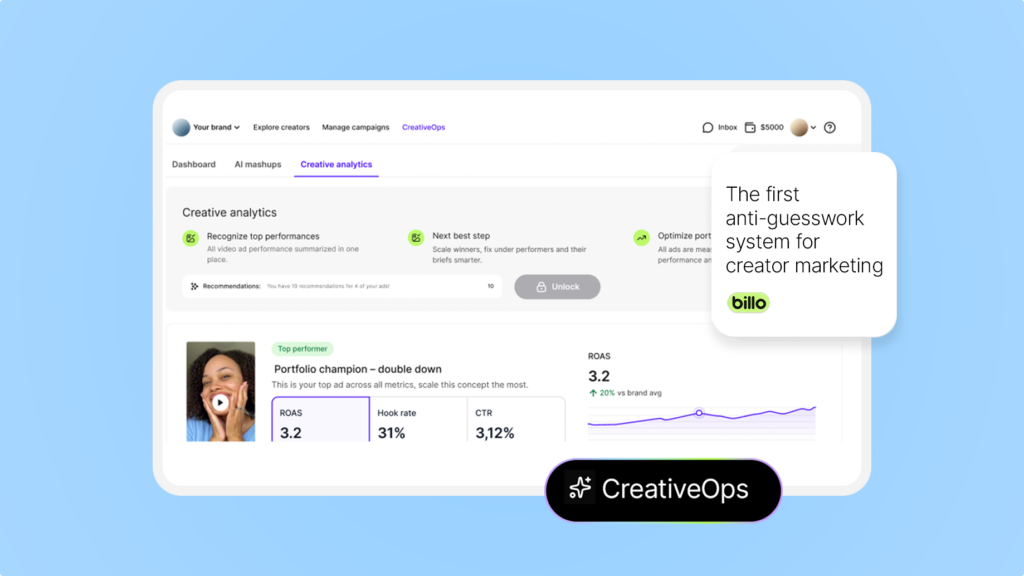
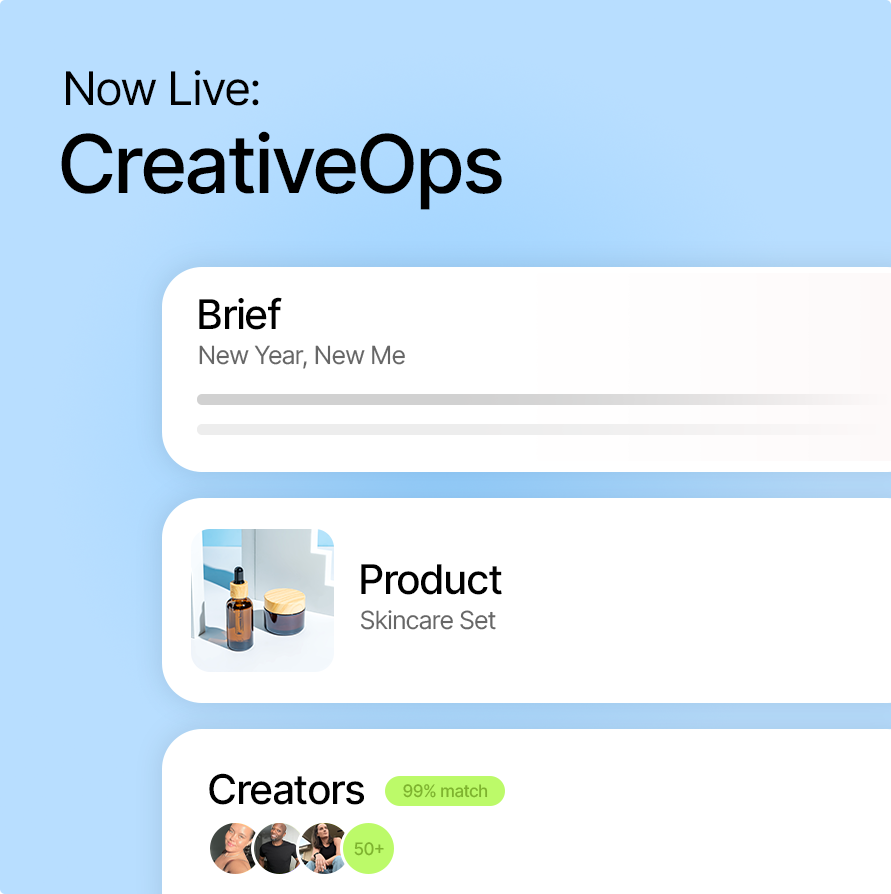
Billo is built for brands running paid video ads on TikTok, Meta, YouTube, and Amazon, with 5,000+ vetted creators matched by product category and historical performance. Pricing starts at $99 per video with no mandatory subscription. Its optional CreativeOps data layer, trained on 326,000+ video ads and $505M in purchase value, generates data-backed scripts, recommends creators based on past category results, and surfaces ROAS, CTR, and Hook Rate benchmarks after every campaign.
Insense
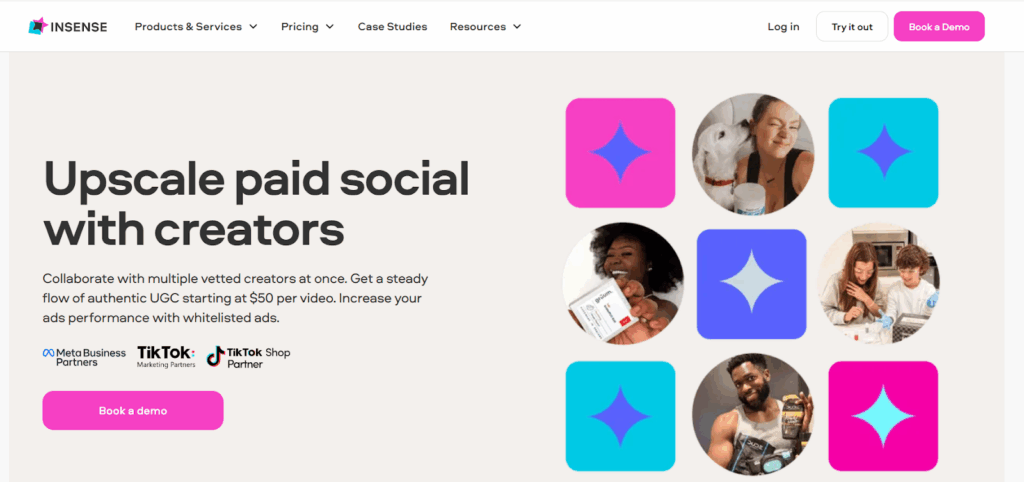
Insense is a creator marketplace with a broader range of use cases: standard UGC, influencer posts, product seeding, affiliate campaigns, and TikTok Shop. It supports Meta Partnership Ads and TikTok Spark Ads and offers a Managed Services option for brands that want an in-house team to handle sourcing and production. Plans start at $500/month (billed quarterly), with creator payments charged separately on top.
Collabstr
Collabstr is the most accessible entry point for brands working with a limited budget. Its free plan lets you search 900,000+ creators and hire directly, with a 10% platform fee on each order. Paid plans add campaign management, analytics, and audience reporting. It’s a practical starting point for brands testing UGC before committing to a larger platform.
2. AI UGC generators
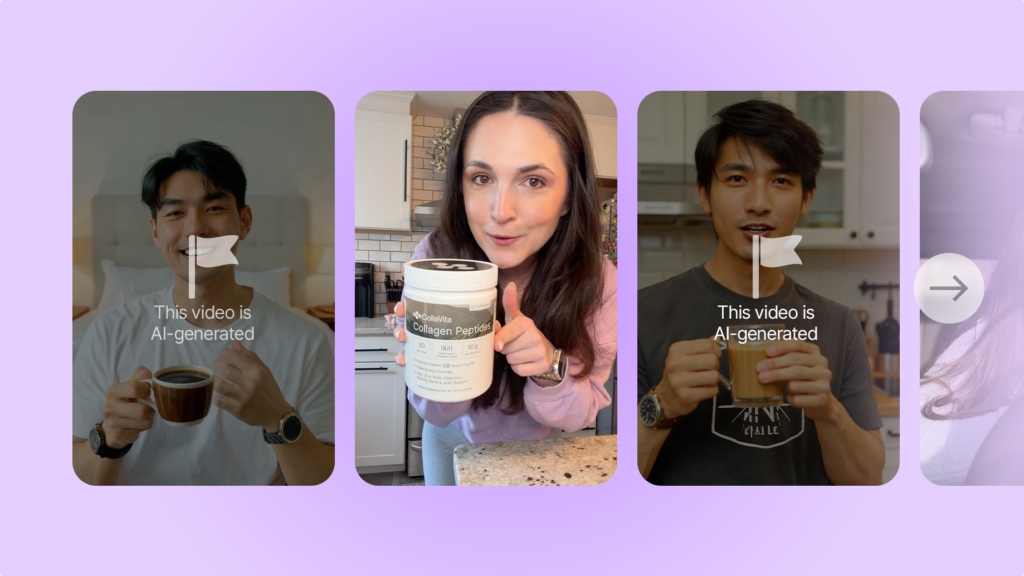
A newer category of tools uses AI avatars and synthetic voices to create UGC-style video ads without real creators. Platforms like MakeUGC and Creatify can produce large volumes of content quickly and at low cost, which makes them appealing for rapid creative testing.
The trade-off is authenticity. AI-generated content tends to perform well for top-of-funnel awareness and creative testing but often underperforms real creator content in conversion-focused campaigns, where trust and relatability drive results. Billo’s guide to AI UGC generators covers this comparison in more depth, including which use cases each tool is genuinely suited for.
3. UGC management and display tools
A third category of tools helps brands collect, organize, and display user-generated content that already exists, primarily customer reviews, social media posts, and visual testimonials.
Yotpo
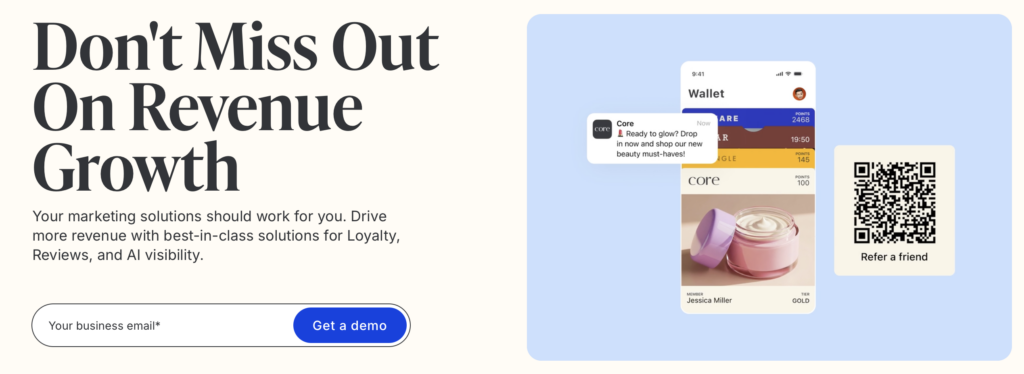
Yotpo is one of the most widely used platforms for collecting and displaying customer reviews, star ratings, and social proof across e-commerce product pages. It integrates with Shopify and other major platforms and helps brands turn post-purchase feedback into on-site conversion assets.
Trustpilot

Trustpilot focuses on public review collection and reputation management, with syndication across retail and comparison channels. It’s typically used by brands that want to make customer feedback visible beyond their own website, particularly across search and third-party retail environments.
These tools are most relevant if your goal is on-site conversion and reputation management rather than paid ad creative production.
How to choose the right UGC tools
The right tool depends entirely on what you’re trying to accomplish.
If you’re a creator just starting out, the core setup is simpler than most guides make it look.
- A decent smartphone, a ring light, a tripod, and CapCut will get you through your first several brand deals.
- Add a lav mic once audio quality becomes a note in your feedback.
- Once your setup is solid, focus on platforms like Billo or Collabstr where brands are actively looking for creators like you.
If you’re a brand producing video ads, the most important distinction is whether you need volume or performance data.
- If you need to test a high volume of creative quickly, AI UGC generators or a large open marketplace like Collabstr can help.
- If you need to understand which creative is actually driving ROAS and want data to guide your next brief, Billo’s CreativeOps is the tool built specifically for that job.
If you’re an agency managing multiple clients, a platform with multi-seat support and flexible use cases matters more than any single feature.
- Insense’s Agency plan covers up to five brands with reduced marketplace fees.
- Billo works well for agencies that want a clean, data-backed creative pipeline across client accounts without a complex setup.
Wrapping up
UGC tools have evolved a lot, but the core question remains the same: are you trying to create content, or source it? Creators need a lean physical setup, strong editing skills, and a reliable way to connect with brands. Brands need a sourcing strategy that matches their performance goals, whether that’s authentic creator content, fast AI-generated creative, or better ways to leverage what customers are already saying.
The tools in this guide cover both sides of that equation. It is up to you to decide which sounds like the best pick and make that choice.
FAQs
What are UGC tools?
What tools do UGC creators need to get started?
What’s the difference between a UGC tool and a UGC platform?
Are AI UGC tools worth it for brands?

SEO Lead
Passionate content and search marketer aiming to bring great products front and center. When not hunched over my keyboard, you will find me in a city running a race, cycling or simply enjoying my life with a book in hand.
Make creator marketing a data-backed growth channel

Related from Creative Insider
Inside Canvas UGC: the new model for brand-owned social accounts
UGC for Retention Marketing: Same Creators, Different Brief
How to repurpose UGC: turn creator videos into a full-funnel content engine