Mastering UGC usage rights: what brands need to know about licensing creator content


Have you ever spotted the perfect video on TikTok – a customer raving about your product, authentic lighting, exactly the energy your ads need? Then immediately thought, “I need to run this”? It feels obvious. The content is already out there, it mentions your brand, and the creator seems happy. Surely you can just use it?
This is one of the most common and costly assumptions in creator marketing. Creators own their content by default, and using it without proper licensing can expose your brand to copyright claims, FTC enforcement, and statutory damages up to $150,000 per work. With brands spending an estimated $15 billion on user-generated content (UGC) production in 2025, the question of who owns what has never mattered more.
TL;DR
- Copyright automatically belongs to the creator – a public post, a tag, or a brand mention is not a license.
- Brands need separate, explicit permissions for organic use, paid ads, and whitelisting.
- The costliest mistake: running paid ads on creator content without written permission.
- Usage rights typically add 20-100%+ to the base content fee. Factor this into your campaign budget.
- Always get UGC usage rights in writing, even for small or one-off campaigns.
What are UGC usage rights?
When a creator makes a video, photo, or any piece of content, copyright vests automatically in them the moment it’s created. This applies regardless of whether they tag your brand, use your product, or post publicly on a platform you can see. A public post is not a license – it’s just a post.
UGC usage rights (also called content usage rights or creator licensing) are the permissions a creator grants a brand to use, distribute, or repurpose that content. Without those permissions in writing, you don’t have them. Even if a creator said yes via DM, comment, or a friendly conversation.
Imagine, for example, that a customer posts an unboxing video of your product and it gets 50,000 organic views. You reach out in the comments, they say “sure, go for it!” and you run it as a Meta ad for three months. That enthusiastic comment is not a contract. If the creator later decides they want compensation or wants the ad pulled, you have no legal ground to stand on.
The rule is simple: if you don’t have written permission that specifies how you can use the content, you don’t have permission.
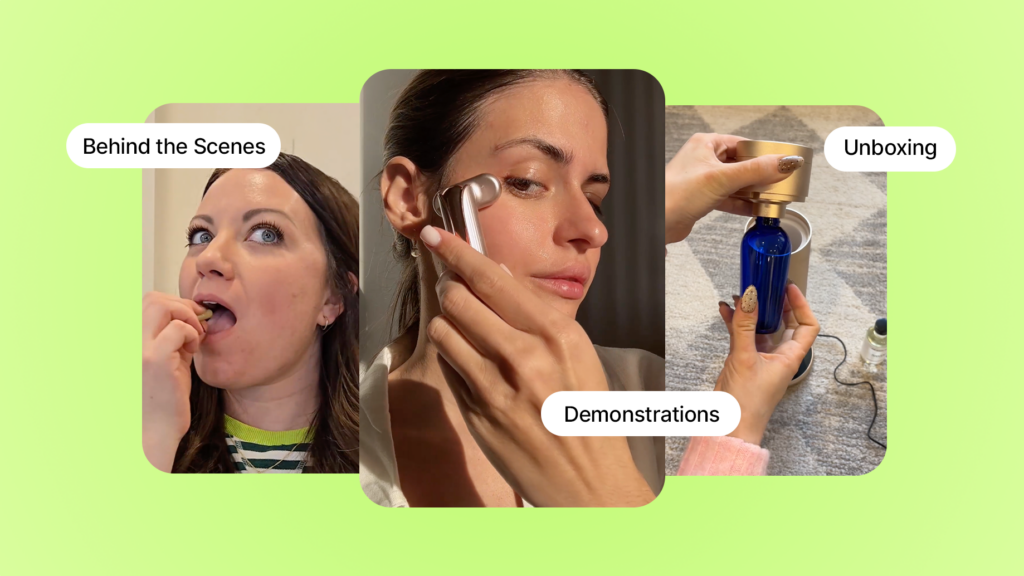
The four types of usage rights brands need to understand
Not all UGC usage rights are the same, and this is where brands most often get caught out. There are four distinct types that matter in a creator marketing context. Each of them needs to be agreed on separately.
- Organic posting rights cover the creator sharing content on their own channel. This is usually bundled into the base fee and requires no special agreement.
- Content licensing gives your brand the right to repost or repurpose the content on your own channels – your Instagram, website, email campaigns, and so on. This is what most people mean when they say “usage rights.”
- Paid advertising use is a separate permission that allows you to run the content as a paid UGC ad. This requires explicit written authorization. Running a creator’s video as a sponsored post without this clause is one of the most common and one of the most expensive mistakes brands make.
- Whitelisting (also called partnership ads on Meta or Spark Ads on TikTok) lets you run ads directly from the creator’s account handle, keeping their social proof attached to the ad. It tends to perform well because the content feels native to the platform rather than branded.
Imagine you’ve worked with a creator and secured content licensing for your own channels. Mid-campaign, you decide to test it as a paid ad. Without paid advertising rights specifically included in your original agreement, you’re now in breach, even if everything else in the campaign is fully above board.
Each of these rights must be negotiated separately and written into your agreement. Don’t assume one automatically covers the others.
Key licensing terms to define before signing anything
A solid licensing clause doesn’t need to be complicated, but it does need to be specific. Here are the six terms you should nail down in every creator agreement:
| Term | What to define | Watch out for |
|---|---|---|
| Platforms | Every channel where you’ll use the content – Instagram, TikTok, Meta ads, YouTube, website, email | Vague “digital use” clauses that leave room for dispute |
| Duration | How long you can use the content; standard paid usage runs 3–12 months | Renegotiating mid-campaign – always more expensive than agreeing upfront |
| Paid advertising permission | Explicit written consent to run the content as a paid ad – separate from general content licensing | Assuming content licensing covers ads. It doesn’t. |
| Derivative works | Whether you can edit: subtitles, cropping, text overlays, shorter cuts for different formats | Editing without permission is a separate rights issue, even with a license |
| Geographic scope | Global or market-specific rights | Expanding to new regions without renegotiating is a breach |
| Exclusivity | Exclusive (creator can’t work with competitors) vs. non-exclusive | Exclusivity costs 3-10x more – only pay for it if you genuinely need it |
Not every deal needs all six addressed in detail. A one-off organic post is much simpler than a 12 month paid advertising campaign. The key is to decide what you actually need before the brief goes out, so there are no surprises on either side.
Common mistakes brands make with UGC rights
I am sure you would agree that most content rights issues don’t come from bad intentions. Instead, they come from unclear processes and assumptions that seem reasonable until they aren’t. Here are the patterns that come up most often:
Treating a public post as a free resource. Just because content is publicly visible doesn’t mean it’s available for commercial use. The platform gets a license to display content within its ecosystem, but that license does not extend to your brand.
Relying on DMs or verbal agreements. “They said yes in the comments” is not a contract. If the terms aren’t written down, they don’t exist in any enforceable way. This becomes a real problem when a creator’s circumstances change – they switch agencies, get legal advice, or simply change their mind.
Running paid ads without explicit permission. Many brands assume content licensing covers paid ads. It doesn’t, unless you explicitly agreed to it. Organic rights and advertising rights are separate, and blurring that line is where most legal exposure comes from.
Ignoring third-party IP. If the creator used a trending audio track they don’t own, or another person appears in the video without a model release, those are additional permissions you need. In many cases, the creator might not be able to grant that. Everyone whose work or likeness appears in the content must give their permission for commercial use.
Forgetting geographic scope. If you licensed content for US campaigns and later expand to the EU or other regions, you need to renegotiate. Overextending territory without consent is a breach regardless of how small the new market seems.
The fix for all of these is the same: use a written brief and a written agreement, every time, even for small campaigns.
How to get usage rights the right way
The easiest way to avoid UGC rights issues is to define what you need before the UGC creator starts working. Here’s a practical process that works at any campaign scale:
1. Start with the brief
Before you send any creative direction, decide what rights you need. Organic only? Paid ads? Specific platforms? For how long? The more clearly you define this upfront, the easier it is to set expectations and price the deal correctly from the start.
2. Include rights terms in your agreement
Whether you use a formal contract or a written brief with usage terms attached, the licensing clause should be part of the document, not communicated separately or assumed. Be specific about platforms, duration, and whether paid advertising use is included.
3. Compensate fairly for what you’re asking
Brands that bundle extensive usage rights into a standard content fee often face pushback or silent non-compliance. Creators who feel fairly paid produce better work and are considerably easier to work with across a longer campaign.
Build the rights conversation into your briefing process, not your post-production review.
What licensing costs: a realistic pricing overview
UGC usage rights aren’t free, and that’s appropriate. You’re asking for something beyond the initial content fee. Here’s how pricing typically breaks down:
Base content creation ranges from $50-$100 for newer creators, $150-$500 for mid-level, and $500-$1,500+ for experienced creators with a proven track record.
On top of that base rate, according to industry pricing benchmarks:
- Paid advertising rights typically add 20-50% to the base rate
- Whitelisting (running ads from the creator’s handle) adds 50-100%
- Perpetual rights (no expiry on your license) add 100-150% of the base rate
- Exclusive rights (preventing the creator from working with competitors) cost 3-10x the standard licensing fee
These are benchmarks, not fixed numbers. Actual pricing depends on the creator’s experience, audience size, how broadly you’ll use the content, and the duration of the license.
The practical implication for budgeting: treat usage rights as a line item alongside production costs, not an afterthought. If you’re running a campaign with 10 creators and plan to use their content in paid ads for 90 days, licensing could represent 30-50% of your total creator spend. Knowing this before launch is the difference between a smooth execution and an awkward mid-campaign renegotiation.
Success stories: brands that did UGC usage rights right
While the legal issues surrounding UGC usage rights seem onerous, numerous brands have overcome them throughout history and got their strategy right. Here are some examples to follow:
Starbucks’ White Cup Contest
Starbucks launched its White Cup Contest in 2014 to drive interest in its brand. The company asked customers to decorate their coffee cups, posting their creations online under the hashtag #WhiteCupContest.
The campaign showcased UGC’s power and revealed how brands could align consumer creativity with their marketing efforts. The contest soon created numerous brand ambassadors and generated interest among the company’s audience, inspiring more to get involved.
Spotify’s Wrapped Campaign
Spotify’s Wrapped campaign is another example of UGC done right. It involves collecting data on users’ listening habits throughout the year and then bundling them into shareable “wrapped” graphics they can post on social media.
Spotify’s concept is intelligent because it uses the brand’s intellectual property to drive UGC production. Users personalize the brand’s output to create shareable images of their top tunes for the year.
Doritos Crash The Super Bowl
Lastly, Doritos’ Crash The Super Bowl campaign is another example of how to use and leverage UGC to the fullest effect. Incredibly, this campaign dates from 2006 when UGC was in its infancy. It asked customers to create their personal Doritos commercials, promising to air the top entries at the Super Bowl to millions of adoring fans.
The campaign required UGC creators to share their ideas on social media to gather votes. These turned into mini-campaigns for Doritos, allowing it to reach more people and encouraging higher participation. Ultimately, the concept generated massive buzz, engaging audiences and increasing brand loyalty.
A note for creators
Most of this guide is written for brands, but it’s worth a brief note for creators too. Research suggests that 68% of creators fail to negotiate usage rights in brand deals, leaving real money on the table.
You own your content by default, and that ownership has commercial value. Brands are willing to pay for broader usage rights when you ask clearly. A few things to keep in mind:
Always use a written agreement. A DM is not a contract, and a vague brief does not protect you if the brand repurposes your content in ways you didn’t agree to.
Know what you’re granting. Organic use, paid advertising, whitelisting, and exclusivity each carry different commercial value. Pricing them separately (rather than bundling everything into a flat rate) means you get paid for each type of use.
Set a clear expiry date. Rights without an end date are, in practice, perpetual. If you want to retain the ability to work with competitors or repurpose your content later, specify a term in your agreement.
Summary
UGC usage rights might feel like a legal detail, but in practice they determine what your brand can and can’t do with the creator content you’re paying for. Getting this wrong ranges from awkward renegotiations to real legal exposure – neither of which belongs in a well-run campaign.
Getting it right, on the other hand, is straightforward. Define what you need before the brief goes out, put it in writing, and price it fairly. Those three habits will handle the vast majority of UGC rights issues before they ever become problems.
Looking to start the UGC journey? Billo’s vetted creators come with UGC usage rights calculated into the price.
FAQs
Do I own UGC if a creator tags my brand or mentions it in a post?
What’s the difference between content licensing and whitelisting?
They serve different purposes and are priced differently. Whitelisting typically costs 50-100% more than standard paid usage rights.
Can a creator revoke usage rights after I’ve already used the content?
Do I need a lawyer to set up UGC usage rights agreements?

SEO Lead
Passionate content and search marketer aiming to bring great products front and center. When not hunched over my keyboard, you will find me in a city running a race, cycling or simply enjoying my life with a book in hand.
Make creator marketing a data-backed growth channel

Related from Creative Insider
Billo vs SideShift: a side-by-side comparison
Billo vs Influee: a side-by-side comparison
Best Cohley alternatives: 6 platforms compared for 2026