What Are UGC Ads? How They Work, What They Cost & Real Examples


User-generated content (UGC) ads drove 6.73× higher conversion rates than non-UGC content in Q1 2026, a 57% jump from the previous quarter. And yet, most brands still treat them as a nice-to-have instead of a core part of their paid media mix.
This guide breaks down what UGC ads actually are, which formats convert best, what they cost in 2026, and how to build a campaign from scratch, whether you’re working with human creators, AI, or both.
TL;DR:
- UGC ads are paid advertisements that feature content created by real people instead of traditional, studio-produced brand creative.
- They outperform standard ads across every key metric: 4× higher click-through rates, 50% lower cost-per-click, and conversion rates up to 6.73× higher than non-UGC content.
- The most effective strategy in 2026 is a hybrid approach: human creators handle flagship testimonials and brand-building work, while AI UGC handles rapid hook and angle testing at scale.
- A typical UGC ad campaign costs $150 – $500 per human creator video, or $99 – $249 per month for AI platforms.
What Are UGC Ads (and What They’re Not)
A UGC ad is a paid advertisement that features content made by a real customer or a hired creator, and is designed to look and feel native to social feeds rather than studio-produced.
The brand controls where and how the ad runs (targeting, placement, budget), while the creator provides the authentic, personal feel that makes viewers stop scrolling. This UGC advertising model has become the default creative format for performance marketers on Meta and TikTok.
The key distinction from organic UGC is ownership. Organic UGC is unpaid content that a customer posts on their own channels because they genuinely wanted to share their experience. A UGC ad, on the other hand, is content that the brand commissions (or licenses), then places as a paid advertisement. The creator makes it, the brand runs it.
UGC Ads vs Influencer Marketing
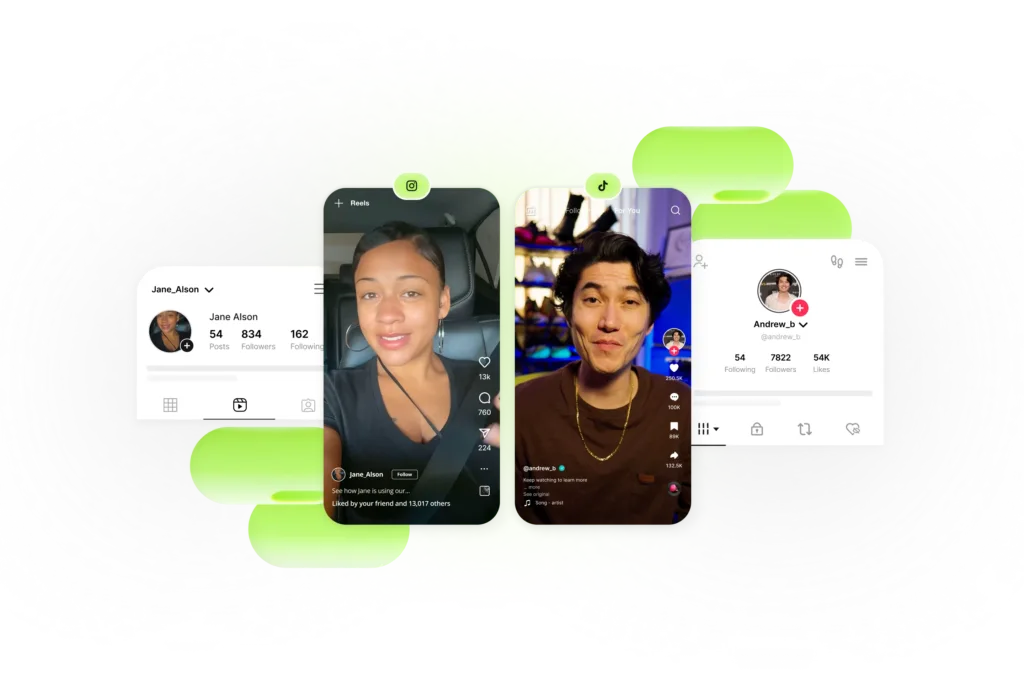
These two terms get used interchangeably, but they work very differently in practice. When you pay for UGC, you’re buying a content asset that you own and run on your own channels. When you pay for influencer marketing, you’re buying access to the influencer’s audience, and they post the content to their followers.
UGC typically costs 30 – 80% less than influencer partnerships and performs better on lower-funnel conversion metrics, while influencer marketing excels at top-of-funnel awareness.
UGC Ads vs Branded content
Branded content is fully controlled by the marketing team: polished visuals, on-brand color grading, professional lighting. UGC ads intentionally look raw, personal, and phone-shot. That unpolished quality is the trust signal. When viewers see something that looks like a real person filmed it on their couch, it triggers a different response than a brand-generated content piece that clearly came from a production studio.
Most successful brands in 2026 run both. They use branded content for their website and owned channels, and UGC ads for performance marketing on paid social.
Types of UGC Ad Formats
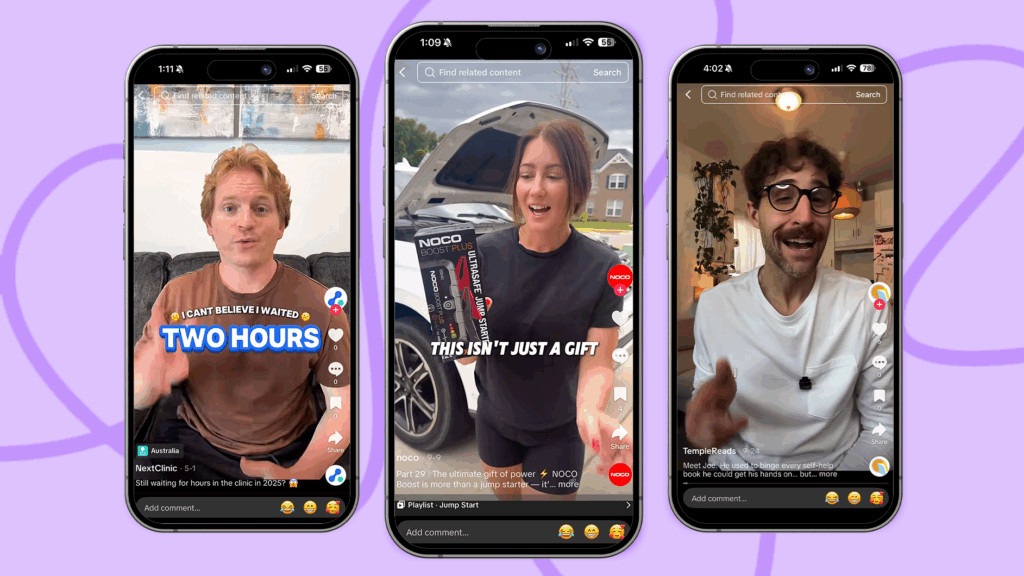
Not all UGC ads look the same, and each format works differently depending on your product, audience, and campaign goal. Here are the six formats that consistently convert in paid social campaigns.
Testimonial and review ads are the foundation of UGC advertising. A creator talks directly to camera about their experience with your product, sharing specific results or benefits rather than generic praise. These work because they mirror the way people naturally recommend products to friends. The more specific the testimonial (“my skin cleared up in two weeks” vs “this product is great”), the better it performs.
Unboxing and first-impressions ads capture the genuine excitement of receiving and opening a product for the first time. This format is particularly effective for subscription boxes, tech products, fashion, and beauty, where packaging and presentation are part of the brand experience. The unboxing format works because the viewer gets to experience the discovery moment alongside the creator.
Problem-solution ads follow a simple structure: the creator describes a specific, relatable pain point, your product appears as the solution about two-thirds of the way through, and the video closes with a clear CTA. This problem-solution framework maps directly to the buyer’s decision journey and handles objections within the ad itself.
Before-and-after ads provide visual proof of transformation. Skincare results, home organization, fitness progress, or workspace upgrades all lend themselves to this format. The key is authenticity: the “before” should look genuinely unpolished, and the “after” should clearly feature the same person or space.
Tutorial and how-to ads demonstrate how to use the product in a real scenario. This format removes purchase barriers by showing ease of use, and it is particularly effective for products with multiple features or a learning curve.
Lifestyle integration ads show the product fitting naturally into someone’s daily routine, like a morning skincare regimen, gym bag essentials, or desk setup. These are more subtle and aspirational than a direct pitch, and they work well for building brand consideration alongside your direct-response campaigns.
Why UGC Ads Outperform Traditional Creatives
The performance gap between UGC ads and traditional brand creatives is wide and getting wider. Here are the numbers that matter.
UGC ads generate 4× higher click-through rates and 50% lower cost-per-click compared to non-UGC ads. On product pages, UGC content increases conversion rates by up to 200%, according to 2026 industry benchmarks. UGC ads convert at 3 – 6% on average, compared to 1–3% for traditional brand ads, largely because they blend into social feeds instead of triggering “ad blindness.”
The trust factor drives much of this performance. 92% of consumers trust peer recommendations over branded content, even when those peers are strangers. When a viewer sees someone who looks like them sharing a genuine experience with a product, it registers as social proof rather than advertising.
There’s also a practical advantage around creative fatigue. A single polished brand video burns out after heavy rotation, and most UGC-style creatives show fatigue in 10 – 14 days depending on budget and audience size. The difference is that UGC pipelines can replace burned-out creatives continuously. When you’re working with multiple creators (or AI variations), you always have fresh angles ready to launch while traditional production teams are still storyboarding the next campaign.

AI UGC Ads vs Human UGC Ads: The 2026 Landscape
The rise of AI-generated UGC has changed the economics of creative testing. Understanding where each approach excels will help you allocate budget more effectively.
On cost, the gap is significant. A 2026 performance study found that AI UGC is 73% cheaper on average: a traditional creator video costs $150 – $500 per asset, while an AI UGC video can cost under $20. That cost difference compounds quickly when you’re producing dozens of variants for A/B testing.
On performance, the picture is more nuanced. AI UGC can match human creator CTR on Meta (typically 1.5 – 3%) when the hook is well-scripted and the format is face-to-camera. The structural advantage of AI UGC is testing volume rather than individual ad quality. Producing 30 script variants instead of 3 fundamentally changes the CPA optimization game because you can iterate through hooks, CTAs, and angles far faster than any human production timeline allows.
Human UGC still wins in specific and important areas. Emotionally charged testimonials, physical product demonstrations where viewers want to see the real product in someone’s hands, and brand-building hero creatives all perform better when a real person is on camera. Audiences can tell the difference and are beginning to reject the AI UGC creators as fake and dishonest.
Another angle to think about with AI UGC is the upcoming and current AI regulations and the EU AI act. With human UGC, you don’t have to worry about matching the latest rules for compliance.
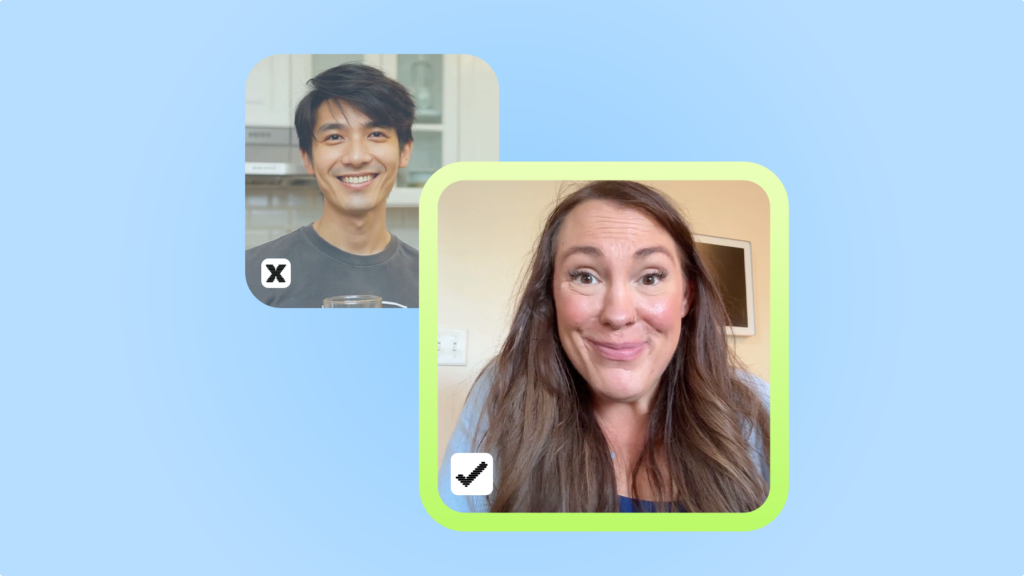
The Anatomy of High-Quality UGC Ads
When harnessed effectively, UGC can breathe life into your advertising campaigns, providing an authentic and relatable touch that traditional ads often lack. But what distinguishes high-quality UGC ads from mediocre ones?
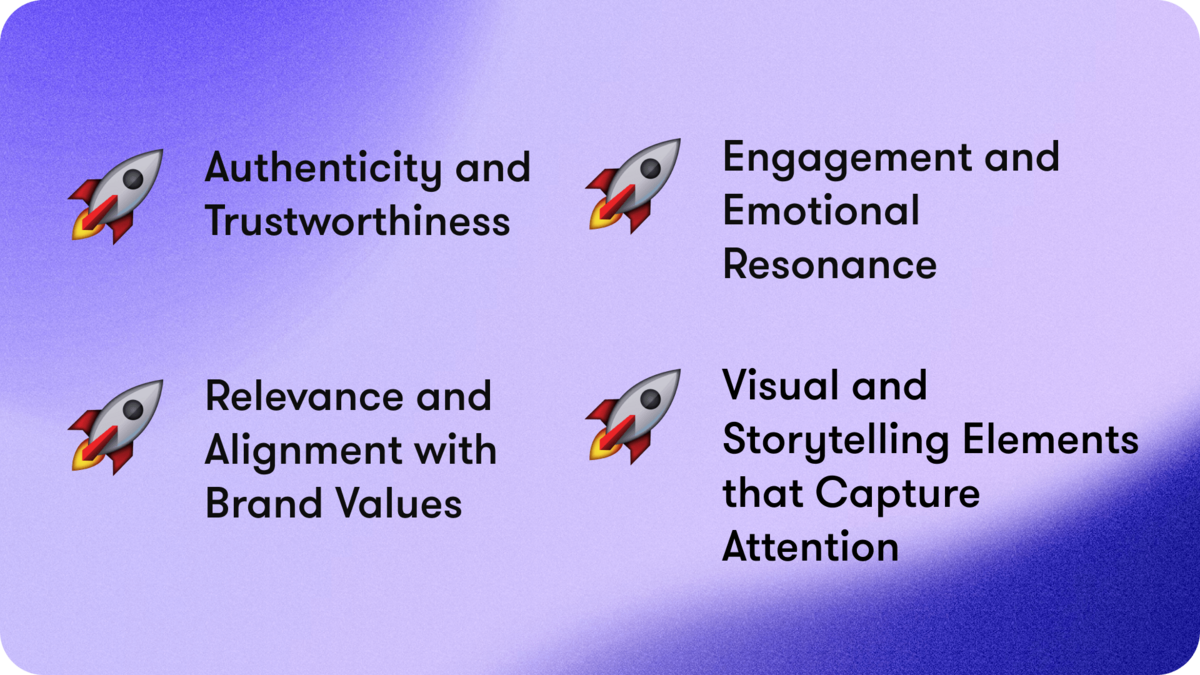
High-quality UGC ads revolve around authenticity, relevance, engagement, and compelling visual storytelling. These elements are the building blocks of UGC ads that resonate with audiences and leave a lasting impression.
On the flip side, poor UGC ads suffer from a lack of credibility, clutter, and low-quality content.
How Much Do UGC Ads Cost?
UGC ad costs vary widely depending on creator experience, content complexity, and how you plan to use the videos. Here’s how to budget realistically.
Creator video rates
Most UGC creators charge between $150 and $300 for a single short-form video. Entry-level creators who are newer to UGC work typically fall in the $50 – $150 range, while premium creators with proven conversion track records command $300 – $500 or more. Top-tier creators who offer whitelisting and have documented ROAS results can charge $800 – $2,000 per asset.
Worth noting: the average creator cost dropped 44% year-over-year to roughly $198 per deliverable in 2025, driven by an influx of new creators entering the market and growing competition from AI UGC tools. That trend is continuing into 2026.
Cost multipliers to budget for
The base video price is rarely your final cost. Usage rights typically add 30 – 50% on top, and whitelisting or Spark Ads access adds approximately 30% per month. If you need raw footage for editing flexibility, expect another 30 – 50% premium. Rush delivery surcharges run 25 – 50% above standard rates. Ordering bundles of 3 – 10 videos usually gets you a 10 – 25% discount versus one-off purchases.
Licensing vs whitelisting vs Spark Ads
These three terms describe different levels of content usage, and each carries a different cost:
- Usage rights (licensing): Permission to use the creator’s video in your own ad accounts and organic channels. This is the base level of rights, included in most UGC platform transactions.
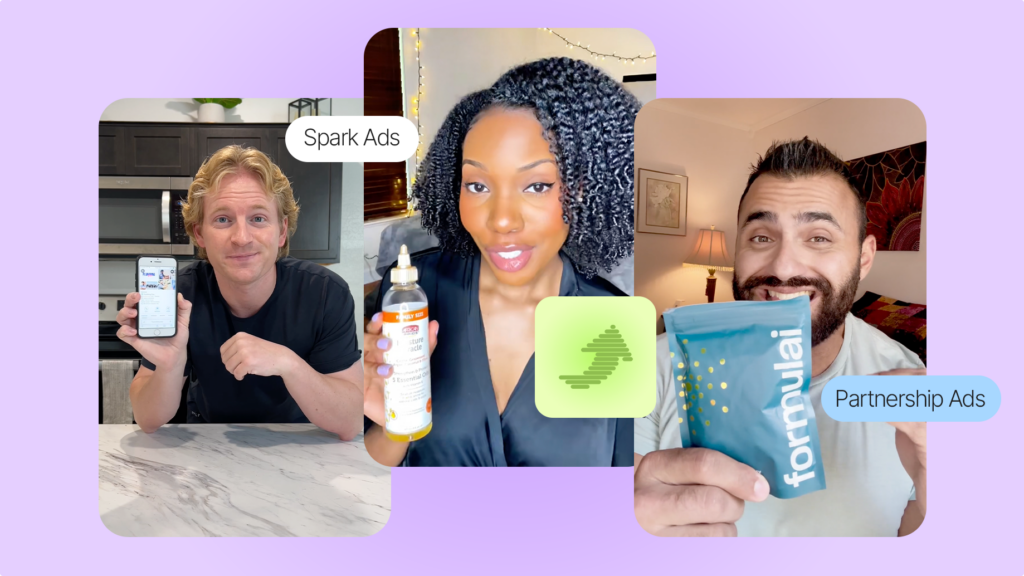
- Whitelisting: Running ads through the creator’s social media account so the ad appears to come from them. Typically costs an additional 30% per month and requires the creator’s ongoing participation.
- Spark Ads (TikTok): Similar to whitelisting but specific to TikTok, where you boost the creator’s post as a paid ad. Costs vary, but the creator must authorize each post.
How to Create a UGC Ad Campaign (Step by Step)
Building a UGC ad campaign that actually performs requires more than just hiring creators and hitting publish. Here’s a six-step framework that covers the full process from goal-setting to scaling winners.
Step 1: Define your goals and KPIs
Start by deciding whether this campaign targets awareness or conversions, because that choice shapes every decision that follows. An awareness campaign optimizes for CTR and impressions, which means you’ll lean toward lifestyle and storytelling formats. A conversion campaign optimizes for CPA and ROAS, which points toward testimonial and problem-solution formats. Set specific, measurable targets before you brief a single creator.
Step 2: Write your creative brief
The brief is the single biggest lever for UGC quality. A vague brief produces generic content; a specific brief produces content that converts. Include the product’s key benefits (framed as outcomes, not features), your target audience context so the creator knows who they’re speaking to, tone and style guidance, mandatory talking points, and the platform specs for where the video will run.
Step 3: Source your creators
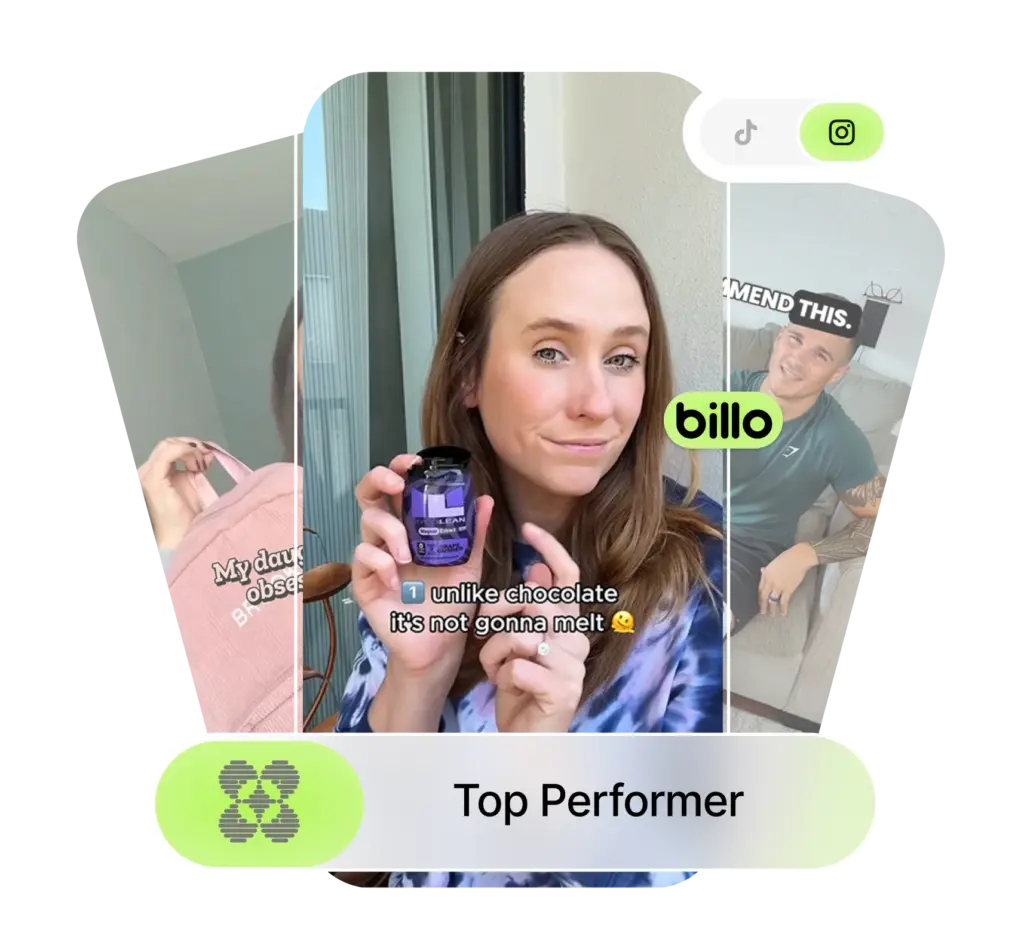
You have three main sourcing options: UGC platforms like Billo (fastest for volume, vetting and performance check), direct outreach to micro-creators on social media (more relationship-building but less predictable), or AI avatar platforms (runs the highest compliance risks). Whichever route you choose, match creator demographics, interests, and visual style to your target audience. A fitness supplement brand needs creators who look like they actually work out, not just anyone with a ring light.
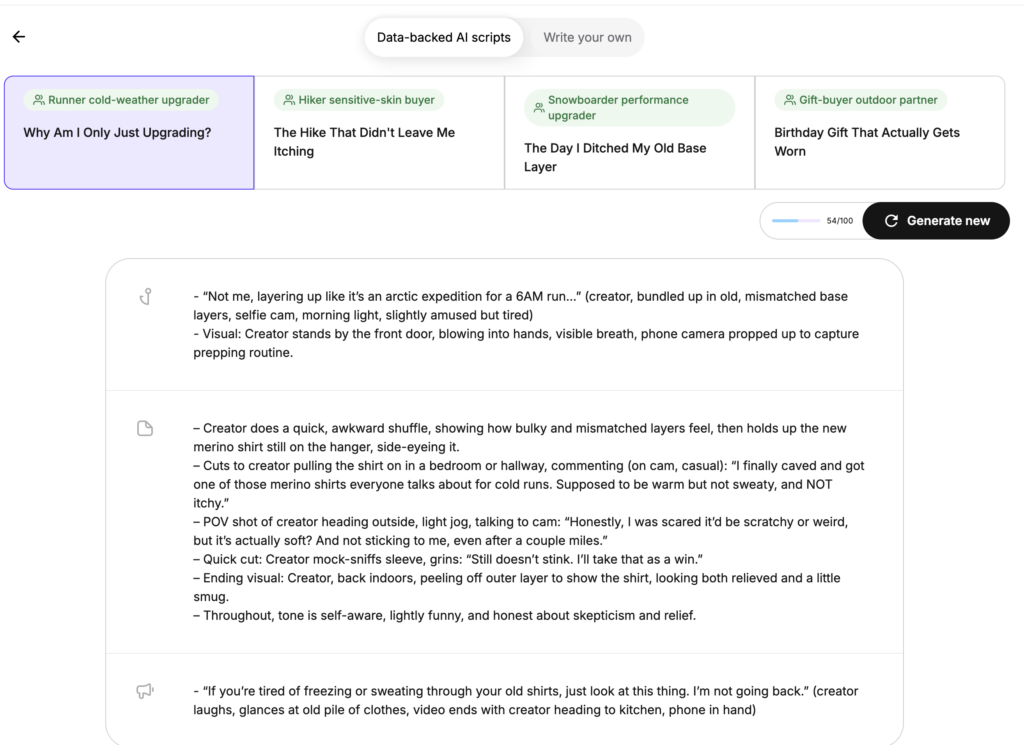
Step 4: Produce and iterate with the hook testing framework
This step is where most brands leave performance on the table. For every UGC video you produce, create at least three different hooks using the same body content. The hook is the first 2 – 3 seconds, and it determines whether someone watches or scrolls past. Run all three hook variants simultaneously with equal budget ($20 – 50 each) for 48 – 72 hours, then kill the losers and scale the winner.
Over time, you build a library of proven hook styles for your audience and product category. This compound learning effect is the real competitive advantage of UGC advertising, and the reason brands that commit to systematic testing pull ahead of competitors who just order videos and hope for the best.
Step 5: Launch on platform
Each platform has different creative requirements, and matching your UGC to those requirements directly impacts performance.
For TikTok, every ad should be 9:16 vertical, between 15 and 45 seconds long, with text overlays from the first frame and smartphone-quality footage. The best-performing TikTok UGC ads look indistinguishable from organic posts. Add trending sounds when relevant, and always lead with a visual pattern interrupt or a strong verbal hook.
For Meta (Facebook and Instagram), design for silence first. 85% of videos are watched on mute, so subtitles are mandatory and your opening visual needs to carry the message even without audio. The ideal length is 15 – 30 seconds, and 90% of Meta’s 2026 ad inventory is vertical, so prioritize 9:16 format here as well. Open with a bold visual hook (a product close-up, a surprising before shot, or an expressive face) to stop the scroll before the viewer even unmutes.
Step 6: Measure and scale winners
Track four core performance metrics:
- Hook rate (3-second view rate, which tells you if your opening works),
- Hold rate (how long viewers stay, which tells you if the body content holds attention),
- CTR,
- CPA or ROAS.
When a creative hits your performance benchmarks, increase its budget gradually (20-30% every 48 hours) rather than doubling overnight, which can destabilize delivery.
The brands that build the most reliable UGC performance systems test 5-10 new creatives per week. Within 3-6 months, that consistent testing volume surfaces patterns in hooks, formats, and creator styles that become a durable competitive advantage.
UGC Ad Examples That Actually Converted
Theory is useful, but results are what matter. Here are five real campaigns where UGC ads delivered measurable business impact.
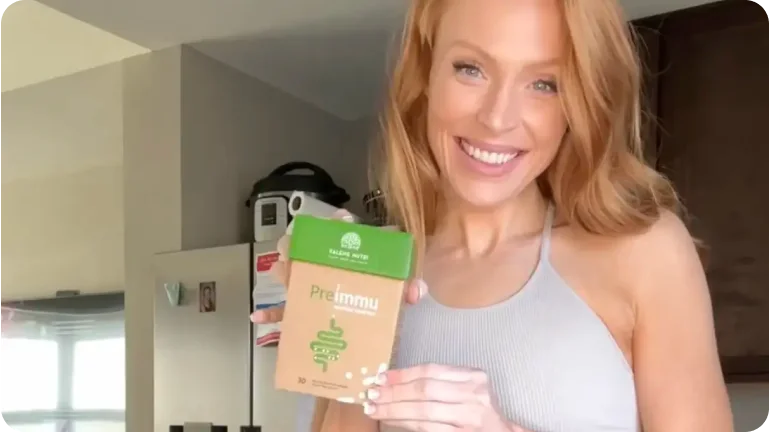
Intelligence Media published their first ad variations using Billo’s recommended structure without any edits, and the ROAS improved immediately. Within two months, the brand saw a 200% boost in net profit and a 120% increase in total sales.
The lesson: when the brief and creator match are right, even unedited UGC can outperform polished brand creative.
Flex Mobile used UGC through Billo to cut their customer acquisition cost from above $220 to consistently under $75, a 66% reduction. Their top-performing testimonial video hit a $22 CPA.
The brand credits the result to having multiple creator-driven video assets to test rather than relying on a single influencer partnership.

Adore Me ran Billo creator videos alongside their other ad sources on TikTok. The Billo UGC delivered +15% higher CTR and +8% lower CPA compared to non-Billo ads on the same platform.
Scale mattered here: having a steady pipeline of fresh creator content meant the brand could fight creative fatigue without gaps in their testing calendar.
Filterbuy achieved a 17.70% CTR on their top-performing Billo ad. After systematically optimizing briefs and creator selection using performance data, the brand increased their overall CTR by 9×.
The takeaway is that UGC performance compounds when you treat creative production as an iterative system rather than a one-time order.
Summary & Next Steps
UGC ads are the highest-performing ad creative format in 2026, outpacing traditional brand creatives on click-through rate, cost-per-click, and conversion rate by wide margins. The data is clear, and the playbook is straightforward.
Start with a specific creative brief, 2 – 3 creators matched to your audience, and the hook testing framework outlined in this guide. Run systematic tests, kill underperformers quickly, and scale what works. Layer in the hybrid human-plus-AI approach to maximize both authenticity and testing volume.
The brands pulling the best results from UGC treat creative production as an ongoing system rather than a one-time project. Every week brings new hooks to test, new angles to explore, and new performance data to learn from.
Frequently Asked Questions (FAQ)
How much do UGC ads cost?
Are UGC ads legal?
Do UGC creators get paid?
What is the difference between UGC ads and influencer marketing?

SEO Lead
Passionate content and search marketer aiming to bring great products front and center. When not hunched over my keyboard, you will find me in a city running a race, cycling or simply enjoying my life with a book in hand.
Make creator marketing a data-backed growth channel

Related from Creative Insider
Inside Canvas UGC: the new model for brand-owned social accounts
UGC for Retention Marketing: Same Creators, Different Brief
How to repurpose UGC: turn creator videos into a full-funnel content engine